Peptides may be small, but in the world of skin care they’ve become a very big deal. Yet, despite their growing popularity, many people are unknowingly using peptide products in ways that limit their potential. According to Australian skin expert April Brodie, the issue is rarely the ingredient itself, but how it’s used.
April is no stranger to the science of skin. Over four decades in the beauty industry, she has built a reputation for exceptional skin knowledge, innovation and entrepreneurial leadership. She launched her premium skin clinic, Beauté, The Facial Destination, in 1998, pairing advanced technologies with clinical-grade cosmeceuticals long before results-driven treatments became mainstream. Today, she holds nationally accredited certifications in laser and IPL safety, advanced skin diagnosis and dermal needling, and is widely recognised for helping pioneer holistic treatment modalities within the Australian beauty landscape.
“Peptides are short chains of amino acids – the building blocks of proteins like collagen and elastin,” April explains. “They essentially signal your skin to repair and strengthen itself.”
In other words, they function less like a quick fix and more like a communication system, encouraging skin to behave the way it once did in its youth. The catch? Results rarely happen overnight.

Expecting Instant Results
Perhaps the most common mistake people make with peptide products is impatience. In an era where overnight transformations are constantly promised by viral skin care trends, peptides can feel almost deceptively subtle.
“The biggest mistake is expecting immediate results,” says April. “Peptides work gradually and consistently.”
Unlike aggressive resurfacing acids or instant plumping treatments, peptides operate on a cellular signalling level. They encourage collagen production, improve elasticity and support the skin barrier over time. Most users begin noticing improvements in texture and firmness after four to twelve weeks of regular use.
In other words, peptides are the skin care equivalent of a long game – more marathon than sprint.
The Layering Problem
Another common misstep lies in how people incorporate peptides into increasingly complex skin care routines.
Today’s beauty enthusiast often approaches skin care like a laboratory experiment, layering multiple active ingredients in the hope that more equals better. But when it comes to peptides, overloading the skin with too many powerful actives can actually sabotage results.
“Peptides are stable in most formulations,” April says, “but they can be sensitive to very low pH, strong acids, or harsh exfoliants.”
Ingredients like high-strength AHAs, BHAs and certain forms of vitamin C can disrupt peptide chains before they have the chance to perform their signalling role. While not all combinations are problematic, stacking too many potent actives in one routine can reduce peptide effectiveness.
The takeaway? Strategic layering matters.
Not All Peptide Products Are Created Equal
With the peptide boom well underway, the market has become saturated with products claiming collagen-boosting credentials. Yet not all formulations are equally effective.
“Look at the ingredient list,” advises April. “A quality peptide product usually lists peptides in the top third of the formula.”
When peptides appear buried at the bottom of an ingredient list, their concentration may be too low to deliver noticeable results. April also suggests looking for formulas that combine multiple types of peptides rather than relying on a single molecule.
Transparency around clinical testing or peptide concentration can also be a helpful indicator of a product that has been thoughtfully formulated rather than simply following a trend.
The Ingredients That Help … and the Ones That Don’t
While certain ingredients can weaken peptides, others amplify their benefits.
Hydrating and barrier-supporting ingredients, for example, work beautifully alongside them. Hyaluronic acid, ceramides and soothing botanicals help maintain skin hydration and support the repair process that peptides initiate.
“These ingredients enhance absorption and support skin repair,” April explains.
Retinol, perhaps surprisingly, is another ingredient that can coexist with peptides in well-formulated products. Though both are considered anti-ageing heavyweights, they operate through different mechanisms and can complement one another when used thoughtfully.
The key is balance. Not bombardment.
How to Actually Use Peptides Properly
For anyone introducing peptides into their skin care routine for the first time, the process is refreshingly uncomplicated.
Unlike retinoids or exfoliating acids, peptides are generally gentle and well tolerated. There is no need for the slow, cautious “skin training” approach often recommended for stronger actives.
“The key to seeing results is consistent daily use,” says April
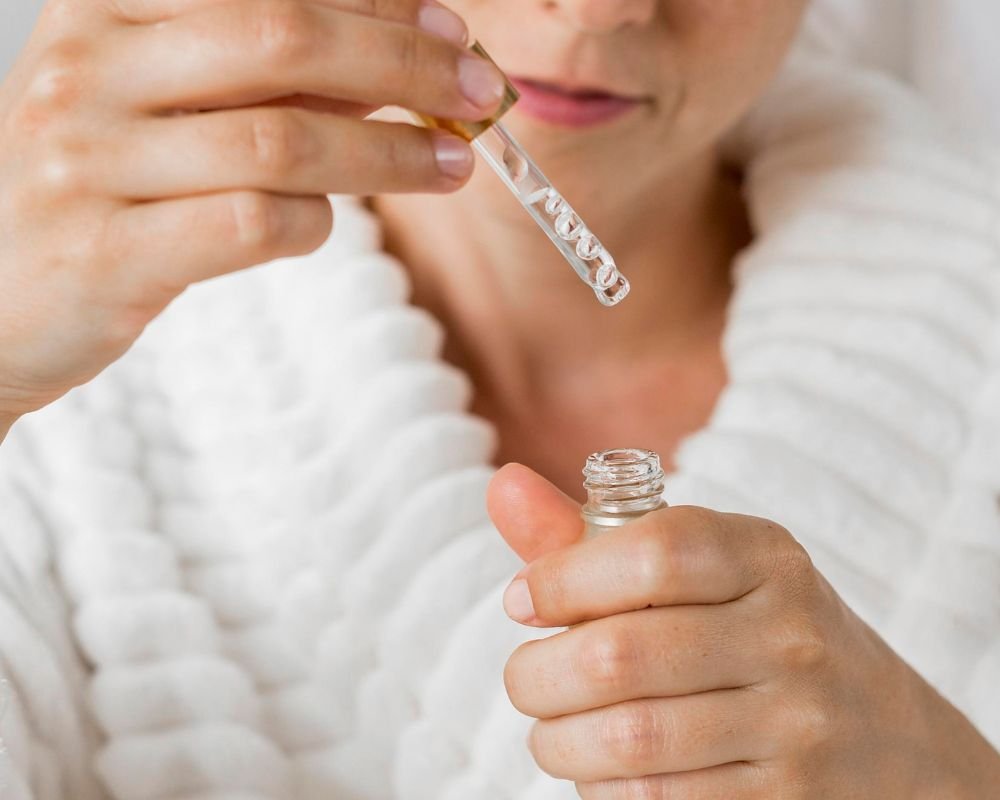
Peptide serums or creams should typically be applied after cleansing and before heavier moisturisers or oils. Pairing them with hydrating ingredients such as hyaluronic acid or ceramides can further enhance their benefits.
Consistency, rather than complexity, is what ultimately drives results.
A Trend or a Skin Care Staple?
Given how frequently skin care ingredients cycle through phases of hype, it is reasonable to wonder whether peptides will eventually fade into obscurity.
April believes the opposite is far more likely.
“Peptides are scientifically backed, gentle and effective,” she says. “That makes them a long-term skin care staple rather than a passing trend.”
When formulated well and used correctly, peptides offer something that few ingredients can match – measurable skin improvement without the irritation often associated with stronger actives.
In an industry obsessed with dramatic transformations, peptides represent something more subtle but arguably more powerful – a quiet, science-backed approach to helping skin function at its best.
And perhaps that’s precisely why Aprile Brodie thinks they’re here to stay.