A patch of grass, like a small block of land to buy, a modest home, a sense of stability should not feel out of reach. And yet, for many people right now, it does. Meanwhile, we are living through rising living costs, environmental strain, and a growing sense that the systems around us are not quite working the way they should. So it raises a bigger question. Not just how do we get by, but what kind of future are we actually building? What has worked before? What has not? And what would it look like if we made decisions not just to survive, but to genuinely thrive?
Thank you for reading this post, don't forget to subscribe!Rather than relying on buzzwords or empty talk, here are some possibilities and calls to action we can take.
Let’s start with one of the most visible pressures. We can all feel the pinch of prices rising, and the dream for many of us to have a big house of our own is becoming harder to sustain, both financially and environmentally, so what if we shifted our thinking?
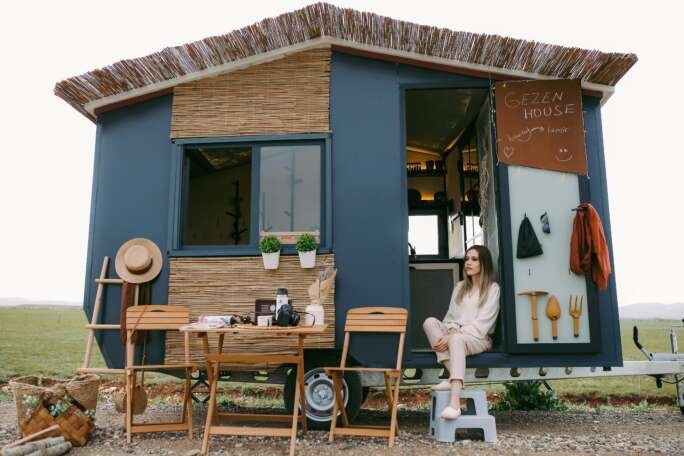
Smaller, well designed homes could reduce building costs, use fewer materials, and lower ongoing expenses like electricity and water. At the same time, rethinking how we use the space we already have could open up new opportunities. Large homes sitting underused could be divided into multiple dwellings, creating more housing without needing more land.
Also… why are we still building in places we know are vulnerable to nature’s forces? Beachfronts, flood prone areas, locations already impacted by natural disasters. As climate patterns shift, these risks are real. Building with the landscape, rather than against it, is not just an environmental choice, it is a practical one. We should also think more carefully about the materials we use to build our houses, choosing robust, region appropriate options that reduce damage and debris after natural disasters.
But housing is not just about buildings. It is about our sense of home and how we live alongside each other. In times of trouble, it is often the people around us, such as our neighbours, who show up. That is why it is important to build and maintain strong community bonds. Community is often spoken about as something abstract, but in reality it is built through small, everyday interactions. Saying hello to your local barista or the shopkeeper at Woolworths, checking on an elderly neighbour after a flood, it might seem small, but it can create a ripple effect of connection and trust. Neighbours who know each other well enough to notice when something is wrong.
A strong community is also a diverse one. It is a place where people from different backgrounds, ages, and income levels can live side by side peacefully. Where a young hospitality worker, a family, and an older scientist are not pushed into entirely separate worlds by cost.
This is where housing and community intersect. When people are priced out, communities fragment. When housing becomes more accessible and affordable, communities strengthen.
How else can we strengthen our communities? Let’s look at knowledge that has long existed in Australia that we have not fully listened to. First Nations communities have lived in relationship with the environment for tens of thousands of years, guided by complex systems of knowledge, responsibility, and care. There has been an understanding that we are not separate from the land and our direct community, but part of it, and that what we take must be balanced by what we give back. So how can we use this idea of reciprocity in our modern lives?
You can see it in something as simple as a community garden replacing an empty block. A shared space where people grow food together. It reduces grocery costs, yes, but it also does more than that. It creates connections. It brings people outdoors. It provides habitat for wildlife, improves air quality, and offers a third space that is neither work nor home, but something in between.
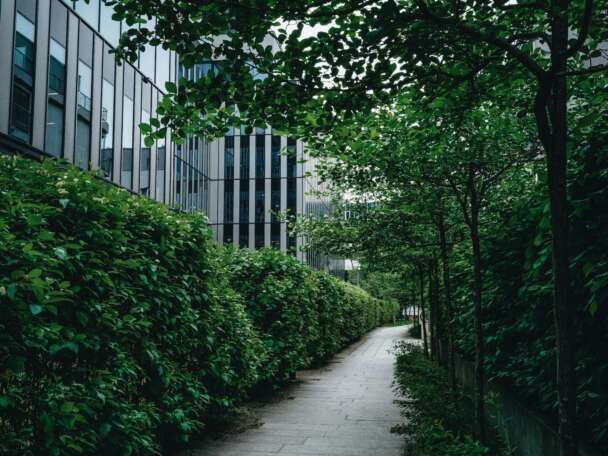
Another idea of reciprocity is car pooling systems that reduce fuel use and make transport more affordable. Moreover, at the city level, streets designed for walking and cycling, lined with trees that offer shade and calm. Shared energy systems, where solar power generated in one place supports the wider community.
None of these ideas are radical. Many already exist. They are just not yet the norm.
For example, in cities such as Copenhagen, extensive cycling infrastructure has made bikes one of the main forms of transport, reducing traffic congestion and pollution. Meanwhile, neighbourhood solar sharing projects in countries like Australia and Germany allow households with excess solar power to feed energy back into the grid, supporting surrounding homes and lowering overall energy costs.
Let’s focus on our natural world, on which all of this depends.
We know the direction we need to move in. We have heard it before. Cleaner energy. Less reliance on fossil fuels. Imagine if communities had shared solar systems, where energy generated from the sun could be used directly by the local communities. If we put more thoughtful design into our homes, cities, and systems, it can help drive broader structural change. The challenge is less about awareness, and more about what actions we can take.
While not everyone can afford to switch to renewable energy systems or new technologies, there are also smaller actions we can take. We still have power as consumers. Simply reducing the amount of things we consume can lower energy use and costs. Consuming less. Choosing local where possible. Supporting farmers markets instead of supply chains that stretch across the world.
Most of the food we eat has travelled far before it reaches us. Reducing that distance, even slightly, reduces energy use and strengthens local economies at the same time.
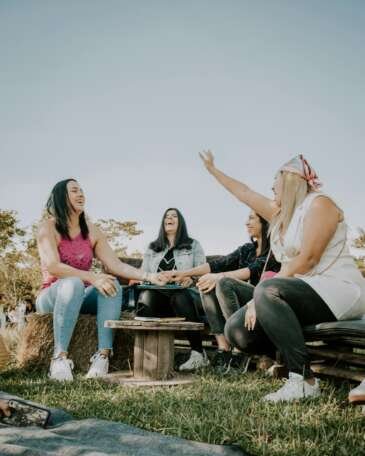
Housing, community, environment, economy, they are deeply interconnected. Changing one begins to shift the others.
These ideas are not out of reach, and many already exist in small ways. A better future is not something that suddenly appears. The future is also not only shaped by governments or large institutions. It is something we slowly build together through the choices we make, the systems we support, and the way we show up for each other and the world around us.