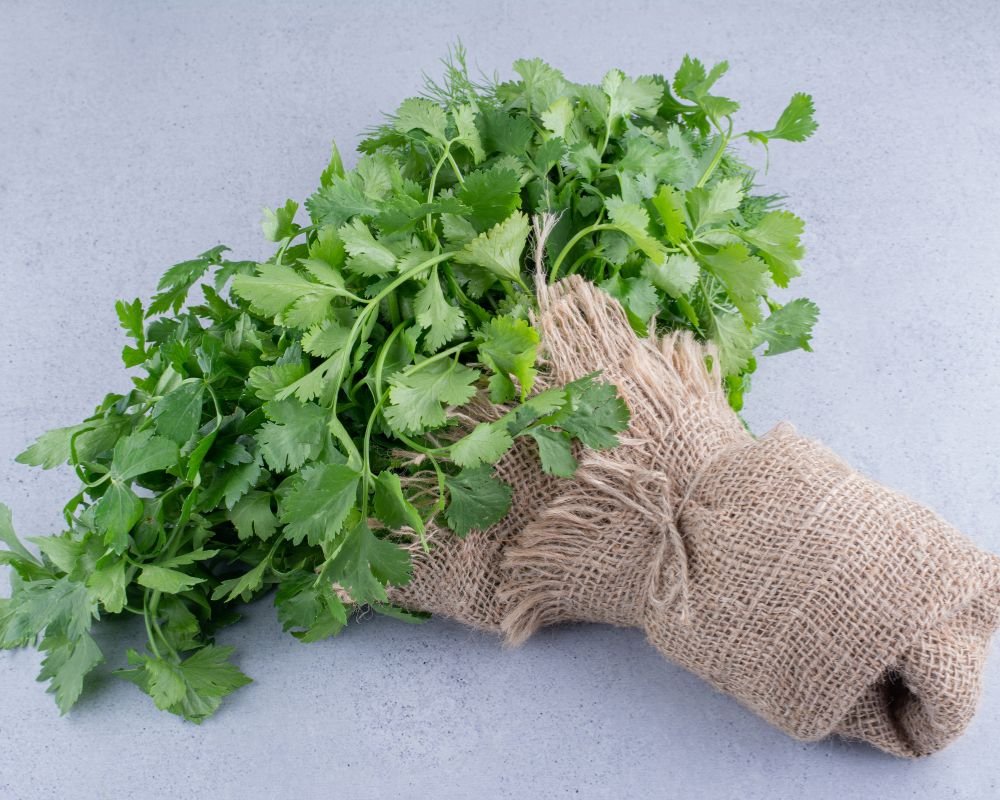
Parsley Seed Oil may share a name with the ubiquitous salad you’ll spot in any good mezza spread at a local Lebanese restaurant, but that’s exactly where the confusion should stop. Salad parsley and skin care parsley couldn’t have chosen more different career paths. Because, while diners pick the former out of their teeth, a growing number of skin care brands are harnessing the latter for its antioxidant properties.
Thank you for reading this post, don't forget to subscribe!Let’s sort out the salad semantics to start. Although the herby greens of a good tabbouli rely on parsley leaves, parsley seed oil is actually extracted from the seeds – which means that while one is giving culinary garnish energy, the other is the refined, concentrated, slightly mysterious skin care ingredient that has absolutely no interest in ending up on your grain bowl.
From there, it makes more sense why skin care conversations increasingly describe parsley seed oil as a “superfood”, even if no one is actually telling you to blend it into a smoothie. Because what people are really responding to is its antioxidant profile and the way it helps support skin dealing with environmental stressors like UV exposure, pollution and air-conditioning – plus the general emotional residue that comes from living in a city. Its naturally occurring polyphenols, flavonoids and lipid components work together in a way that prioritises long-term support over instant transformation – quietly helping skin avoid that permanently overworked, one-more-email-and-it’s-over look.
In that sense, the benefits of parsley seed oil shift away from dramatic before-and-after moments and move instead into the slower, less performative territory of what happens when skin gradually stops looking so tired all the time, because antioxidant support actively helps skin manage oxidative stress, which over time contributes to dullness, uneven tone, and that slightly “flat” appearance that no amount of sleep or water intake ever quite fixes.
For this reason, formulations that include parsley seed oil focus on building resilience rather than chasing perfection, which also explains why it shows up so often in “city skin” routines where the goal becomes less about glow-up fantasy and more about helping skin cope with the daily reality of modern life without falling apart at the edges.
What the science says, for anyone who prefers to stay grounded in reality, confirms that parsley seed oil has demonstrated antioxidant activity and is often included in formulations designed to help support skin exposed to oxidative stress. Which sounds far less glamorous than marketing language usually allows, but also lands exactly where it should. Because it does not function as a time machine, it does not behave like a miracle drop, and it does not replace sunscreen, sleep, or basic skin care discipline. Instead it simply helps skin manage the load it already carries so it does not translate that stress quite so visibly onto the surface every morning.
That naturally leads into the ageing conversation, which parsley seed oil does not so much “reverse” as it gently refuses to dramatise, because when brands talk about supporting signs of ageing in this context, what they really mean is supporting skin resilience over time, helping reduce the visible impact of environmental stress, and keeping things from tipping into that constantly fatigued, slightly frazzled state that modern life is very good at producing. So no, it is not erasing lines or rewriting time, but it is helping skin feel less like it is running on adrenaline and iced coffee.
Sensitive skin, however, is where things become a little more nuanced, because parsley seed oil is botanical, and botanical ingredients are famously not one-size-fits-all, meaning some people will find it beautifully balancing while others will experience it as slightly too active depending on their barrier state, which is why patch testing is not optional here but essential, especially if your skin is already in a phase where it considers everything “too much energy”.
In actual formulation terms, parsley seed oil is rarely a standalone hero product anyway, because it tends to show up inside structured systems rather than sitting on a shelf alone waiting for attention.
And if you are wondering how it compares to other oils, it really depends on what kind of skin care personality you are dealing with, because rosehip oil is your glow-chasing friend who always has a plan, jojoba is the emotionally stable one who never overreacts, squalane is the low-maintenance minimalist who never causes problems, while parsley seed oil is the quietly competent one who shows up early, fixes the issue no one else noticed, and leaves before anyone says thank you.
Are there downsides? Of course, nothing this botanical escapes scrutiny completely unscathed, and parsley seed oil can sensitise some skin types, especially reactive or compromised ones, and it does not deliver instant results, meaning that if your skincare expectations rely on overnight transformations and viral before-and-afters, this ingredient will not satisfy that appetite, but if you prioritise longer-term support in a world that actively challenges the skin every day, then it begins to make a lot more sense.
So is parsley seed oil worth the hype? If your definition of hype is instant glass skin, dramatic change, or anything that feels like a filter in real life, it may not be for you. However, if your definition of skin care is something more grounded, more cumulative, and more about helping skin function better under pressure rather than pretending pressure doesn’t exist at all, then head to your local green grocer.
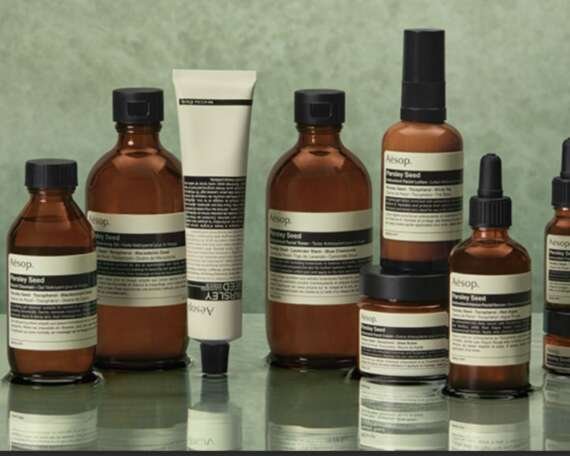
Or, make it even easier by checking out the Aesop Parsley Seed range, which has built an entire philosophy around the natural ingredient that can take on the reality of pollution, stress, and urban life without making a spectacle of itself.