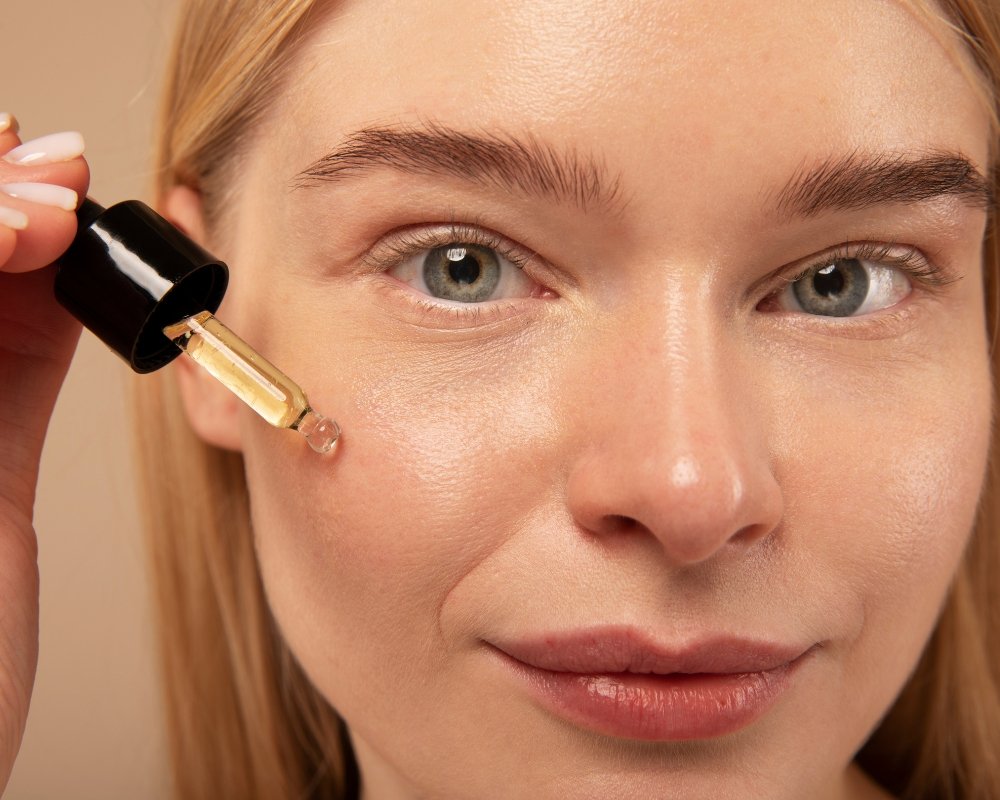
Remember when “self-improvement” just meant a gym membership you felt guilty about and a half-read copy of Atomic Habits on your nightstand? Cute. Naive. So 2019.
Welcome to the era of maxxing – the internet’s favourite suffix, bolted onto literally anything to signal that you are not just doing the thing, you are optimising the thing within an inch of its life.
It started in the murkier corners of TikTok with “looksmaxxing,” spiralled into “skinmaxxing” and has since metastasised into a full lifestyle operating system. There is now, apparently, a “maxxing” version of sleep, home decor, grief admin, eye makeup, dinner parties and your relationship with your ancestors.
The appeal is obvious once you squint at it: maxxing takes the vague, overwhelming idea of “getting your life together” and turns it into a checklist. A niche. A vibe you can film a 22-second video about. It’s optimisation culture wearing a cuter outfit – algorithm-friendly, faintly competitive, and somehow both exhausting and extremely watchable.
Below, a field guide to eight of the internet’s current favourite flavours of maxxing – what they actually are, why we’re all suddenly obsessed, and (very quietly, in the notes) who’s selling you the starter kit.
Sleepmaxxing
Sleepmaxxing is what happens when wellness culture discovers that sleep is a metric, not just a thing your body does automatically. Suddenly it’s mouth tape, blue-light glasses, magnesium glycinate, a $40 sleep-tracking ring, a “wind-down routine” with more steps than a skincare regimen, and a bedroom temperature calibrated like a science experiment.
Some of it is genuinely useful – sleep hygiene is real, and consistency does matter. But sleepmaxxing at its most extreme turns rest into another performance metric to optimise, which is a slightly funny paradox: stressing about your sleep score is not, generally, a great sleep aid. The trend’s most level-headed corners tend to circle back to the unglamorous basics – a dark room, a decent temperature, and bedding that actually works with your body instead of against it.
Bedding brand MiniJumbuk has been riding this wave with wool quilts and cooling pillows pitched as the “you don’t need 14 steps” antidote to sleepmaxxing overload.
Wellnessmaxxing (a.k.a. the TCM boom)
Traditional Chinese Medicine has existed for a couple of thousand years, which makes it a strange thing to call a “microtrend,” but here we are – TikTok has discovered acupuncture, herbal medicine and the general wisdom of “maybe don’t drink ice water,” and it’s having a moment. Some of this is genuine curiosity about complementary and holistic care (acupuncture’s growing role in fertility support is a real and well-documented thread). Some of it is simple burnout — a pushback against hustle-culture wellness in favour of something that feels slower and more intuitive.
The “rules” going viral are almost defiantly unglamorous: warm water first thing in the morning, keeping your feet covered, a 10-minute walk after meals, never going to bed with wet hair. No wearables required. In a world of $300 recovery devices, there’s something almost rebellious about wellness advice that’s just… common sense from your actual grandmother.
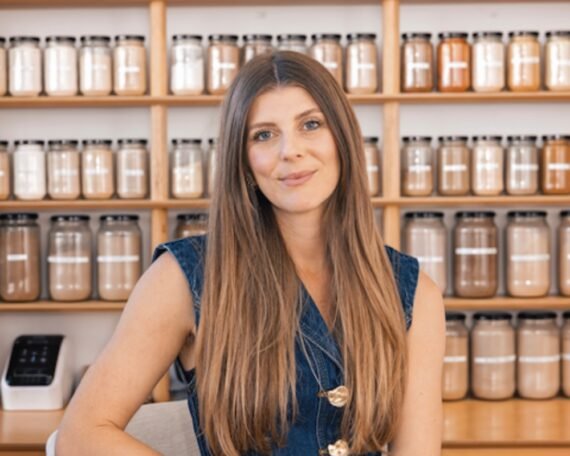
Acupuncturists and TCM practitioners – including Dr Michelle Smith (TCM) an AHPRA-registered acupuncturist and Chinese herbal medicine practitioner and Director of Ova Acupuncture and Chinese Medicine in Brisbane – are increasingly stepping into this conversation as demand grows.
Printmaxxing
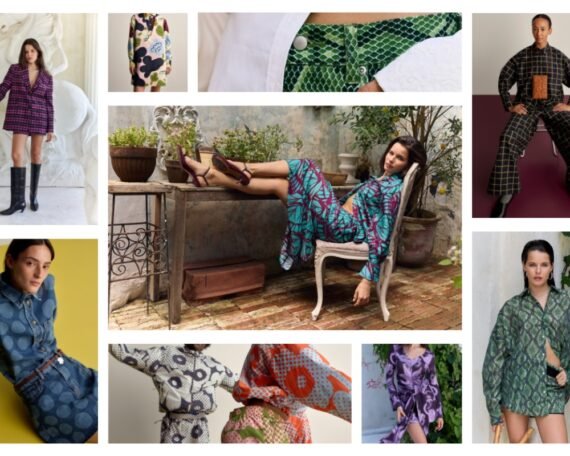
For most of the 2010s, getting dressed well meant blending in – neutral palettes, “quiet luxury,” an outfit that wouldn’t offend an algorithm. Printmaxxing is the rebellion: clashing patterns, loud colour, maximalist dressing that exists specifically to be noticed, screenshotted and asked about. It’s less “does this match” and more “does this make someone stop scrolling.”
Part of this is just fashion’s pendulum swinging back toward personality after a decade of minimalism. Part of it is TikTok itself – an environment that rewards visual distinctiveness, so outfits that read as loud simply perform better than outfits that read as safe. Printmaxxing isn’t really a new idea (bold pattern-mixing has always had its devotees), it’s an old instinct getting a new name and a much bigger audience.
Brands leaning into this aren’t new to the game – heritage print houses like Marimekko have been doing “expressive dressing” since long before it had a hashtag, alongside newer, story-driven labels like Summi Summi.
Eyemaxxing
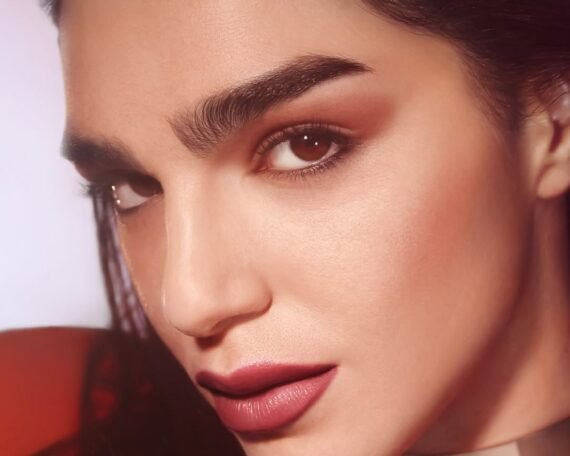
Eyemaxxing is colour theory’s glow-up moment – using complementary eyeshadow and eyeliner shades to make your natural eye colour pop rather than just following whatever the current “your shadow palette” trend dictates. Pair brown eyes with a purple-toned shadow, blue eyes with warm copper, and green eyes with a berry liner – the idea is to personalise your makeup to your own colouring, not whatever happens to be trending on a 19-year-old with completely different features.
It’s a nice antidote, honestly, to a few years of very homogenous “clean girl” makeup – a return to the idea that makeup can be a little technical, a little expressive, and actually tailored rather than one-size-fits-all. It’s also extremely tutorial-friendly, which is exactly the kind of trend TikTok’s algorithm loves to reward.
Beauty brands with broad eyeshadow and eyeliner ranges – among them, Make Up Forever – have been quick to frame their product lines as eyemaxxing starter kits.
Homemaxxing
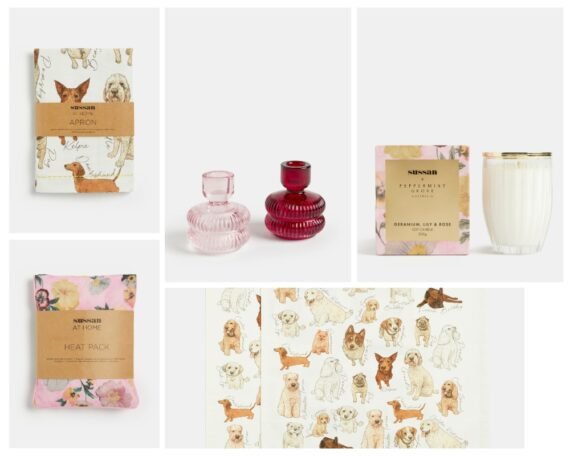
If doomscrolling taught us to optimise our bodies and our sleep, it was only a matter of time before it came for our living rooms. Homemaxxing is the extension of self-care into interior decor – the idea that your space isn’t just somewhere you live, it’s an input into your nervous system. Candles, textured throws, a “reading corner,” lighting that doesn’t look like a hospital waiting room.
It’s essentially cottagecore and cosy-core’s more aspirational, better-lit cousin – a reaction to years spent living (and working, and doom-scrolling) in the same four walls, plus a genuine and fairly well-supported idea that your environment affects your mood. The line between “self-care” and “an excuse to buy a new throw pillow” is, admittedly, blurry.
Affordable homewares retailers like Sussan have been quick to position their ranges as an easy, budget-friendly entry point into the trend.
Lifemaxxing
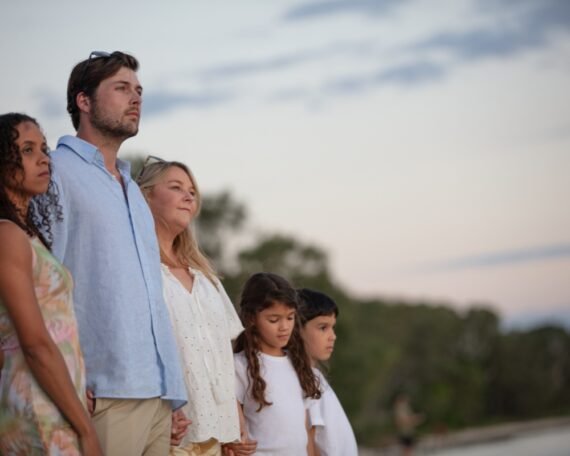
This is the one that sounds like a joke until you actually read into it, and then it’s genuinely kind of moving. Lifemaxxing is about documenting your wishes, values and sentimental preferences before you die – not just a will, but the softer, harder-to-legislate stuff: who gets which photo album, what kind of funeral you’d actually want, the story behind that one ring nobody else knows.
The pitch here is quietly compelling: most family conflict after a death isn’t about money, it’s about uncertainty – nobody asked, so everybody assumes, and assumptions turn into resentment. Lifemaxxing reframes digital legacy planning not as morbid admin but as an act of care for the people you’ll leave behind. It’s optimisation culture aimed, for once, at something other than yourself.
Digital legacy platforms like My TAP (My Time And Place) are among the tools built specifically to make this kind of planning easier and less confronting.
Tanmaxxing (and its healthier cousin, Faketanmaxxing)
Tanmaxxing is the trend’s darker edge, literally – people tracking UV index to chase peak sun exposure, skipping sunscreen, sometimes turning to tanning beds, all in pursuit of the deepest possible tan. In a country with one of the highest skin cancer rates in the world, this is less “fun microtrend” and more “please, for the love of god, wear SPF.”
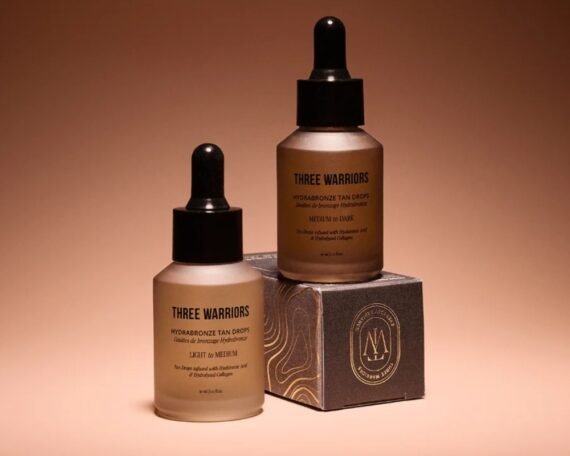
The more sensible sibling trend is fauxtanmaxxing – chasing the look of a sun-kissed glow through self-tan, skin care and gradual tanners rather than actual UV damage. It’s the trend correcting itself in real time, which is honestly one of the more heartening things maxxing culture has produced: the algorithm surfaced a genuinely risky behaviour, and a counter-trend rose up specifically to debunk it.
Self-tan brands such as Three Warriors have positioned themselves squarely in the skinmaxxing camp, pitching sunless bronze as the smarter alternative to UV chasing.
Nonnamaxxing
Finally, the softest entry on this list is Nonnamaxxing – Gen Z’s turn toward slower, more old-school domesticity. Think home-cooked meals over Uber Eats, a playlist instead of a podcast on 1.5x speed, actually being in the kitchen instead of treating it as a pit stop. It’s less a “trend” in the algorithmic sense and more a vibe shift: young people, several years into digital burnout, romanticising the unhurried rituals their grandmothers never had to think twice about.
There’s decent evidence this isn’t just nostalgia-bait, either – research on cooking and music suggests something to the “flow state” claims: for a lot of people, a playlist genuinely does lower the mental friction of cooking and make it feel like a ritual rather than a chore, rather than just background noise.
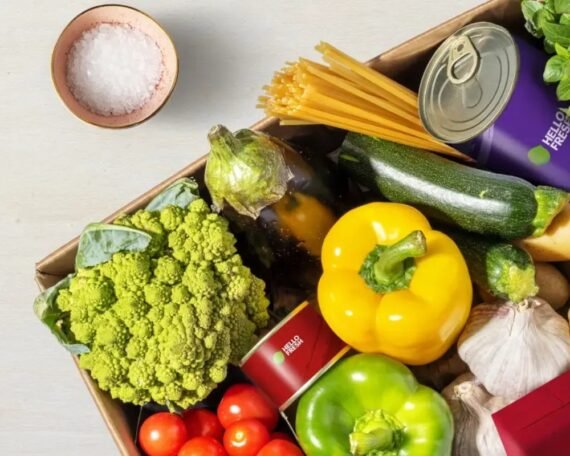
Meal-kit companies like HelloFresh have started leaning into this research, framing music-while-cooking as a low-effort entry point into the trend.