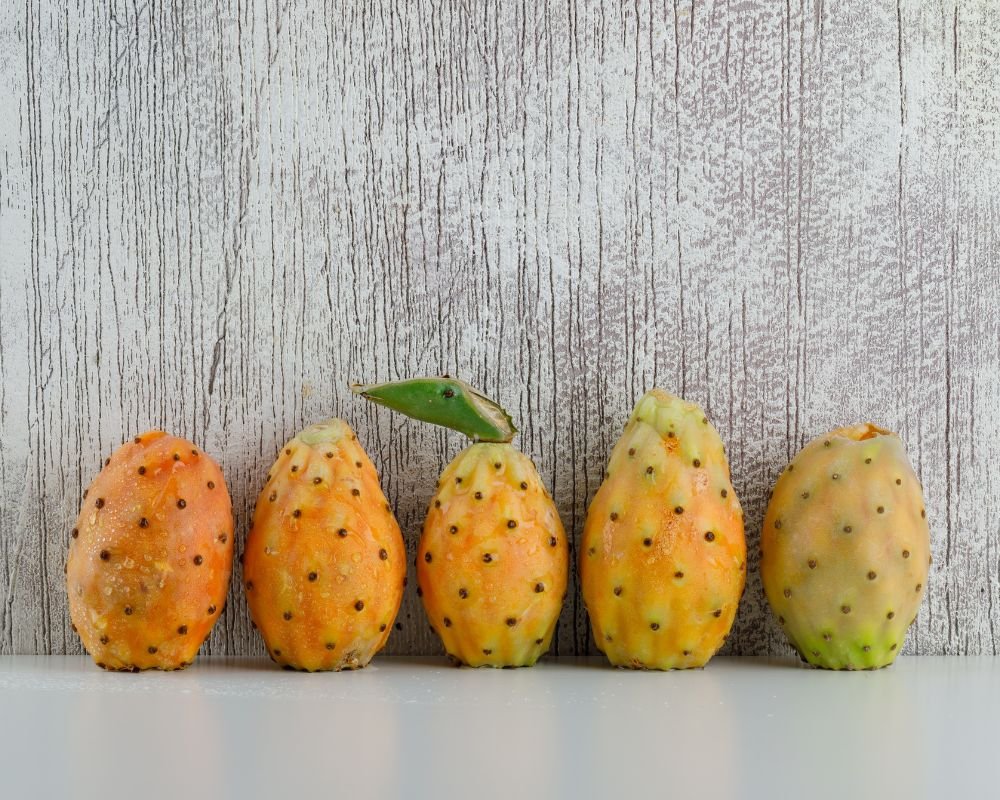
Fresh fruit is having a moment. And, not just in your kitchen. Somewhere between your açai bowls and the grapes on your Friday night cheese board, prickly pear has quietly been doing the most. Juicy, refreshing, a little bit exotic… and, as it turns out, wildly good for your hair.
Thank you for reading this post, don't forget to subscribe!In fact, according to hair stylist, cosmetologist, and Klorane brand expert Janis McNicholas, this desert-dwelling fruit might be the unexpected MVP behind softer, shinier, significantly less chaotic strands. Because if your hair has been looking dull, feeling brittle, or puffing up at the first sign of humidity, chances are you’re not dealing with “dry” hair at all. You’re dealing with dehydration … and that’s a whole different story.
We tend to throw the word “dry” around like it covers everything, but as McNicholas explains, “dry and dehydrated hair describe two very different conditions – and understanding the distinction can be game-changing. Dry hair is lacking oil. Dehydrated hair, on the other hand, is lacking water, and that can affect absolutely anyone. Even those with oily roots.”
The giveaway is hair that drinks up every product you apply but still feels unsatisfied, looks lacklustre, and frizzes faster than you can say “leave-in conditioner.” Or, as she puts it, “if hair feels brittle, looks dull, frizzes easily and seems to absorb products without ever feeling satisfied, dehydration is often the underlying issue.”
Enter prickly pear – the overachieving cactus that thrives in some of the harshest conditions on earth. Officially known as Opuntia ficus-indica, it’s evolved to store and regulate water with impressive efficiency. In McNicholas’ words, it has “a finely tuned, self-regulating hydration system that allows it to stay plump and juicy even in the most extreme conditions.”
Which, when you think about it, is exactly what dehydrated hair is crying out for.
It’s this clever survival mechanism that inspired Klorane’s Prickly Pear Hydration & Shine range. Designed to mirror the cactus’ moisture-retention abilities, the formulas work both deep within the hair fibre and on the surface. As McNicholas explains, prickly pear works “at the core of the hair fibre… helping to restore hydration to thirsty strands” while also smoothing the cuticle “with a protective, hydrating shield that boosts resilience and shine.”
And here’s where things start to click: shine isn’t about oil or glossing sprays. It’s about how light reflects off your hair. McNicholas puts it perfectly: “Hair reflects light best when the cuticle is smooth, aligned and well-hydrated.” When that cuticle is disrupted? “Light scatters and hair looks matte.”
So if your hair has been acting out – snapping instead of stretching, reacting dramatically to humidity, or refusing to hold style – dehydration is likely the real villain. In fact, “dullness, increased frizz… and reactivity to humidity may all be signs of dehydration,” she notes. The reason is simple: “when hair is dehydrated, the cuticle layer lifts slightly in search of moisture,” creating that rough, frizz-prone surface.
Prickly pear works overtime here. It doesn’t just coat the hair, it helps it function better. It draws moisture in and forms what McNicholas describes as “a lightweight shield that helps limit water loss over time.” The result is hydration that lasts longer than a quick-fix gloss, and hair that feels “supple, balanced and resilient – not just momentarily coated.”
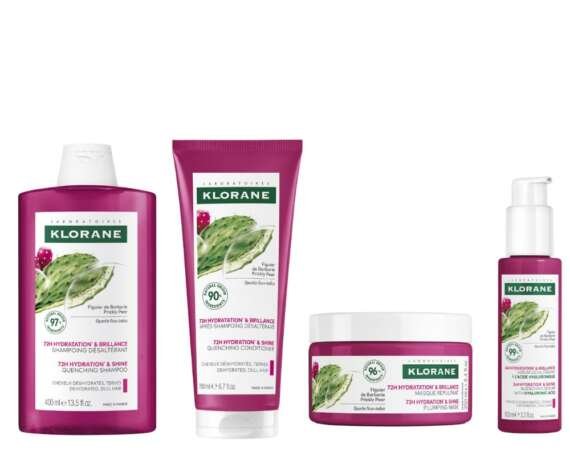
Then there’s the antioxidant angle. Prickly pear is rich in polyphenols that help defend against environmental stressors like pollution and UV exposure, while also supporting hair weakened by colouring, bleaching, or heat styling. Over time, that translates to strands that look smoother, stronger, and far less frazzled.
For an extra hit of hydration, prickly pear also plays particularly well with hyaluronic acid. And the good news is, your hair loves it just as much as your skin does. As McNicholas explains, “prickly pear helps regulate water movement within the hair, while hyaluronic acid… binds and holds large amounts of moisture.” Together, they “create a layered hydration system – attracting water, retaining it within the fibre, and helping prevent rapid moisture loss.”
Of course, silicones can deliver that instant, high-shine finish – and they do it well. But they tend to sit on the surface, offering a temporary gloss rather than improving the hair’s condition. Plant-based hydration works differently. As McNicholas puts it, it helps “optimise the hair’s own hydration balance, so the shine comes from improved fibre condition – not just a cosmetic layer.”
The best part is that you don’t have to wait forever to see results. “Many people notice improvements… almost immediately — sometimes after just one or two washes,” she says, with shine following quickly as hydration levels improve. Longer-term? That’s where the real transformation happens, with hydration working cumulatively to restore balance rather than chasing quick fixes.
Because when it comes to great hair, it turns out the secret isn’t piling on more product. It’s giving your hair what it’s actually been asking for all along: water.
And if your fruit salad can double as your hair care muse? Even better.