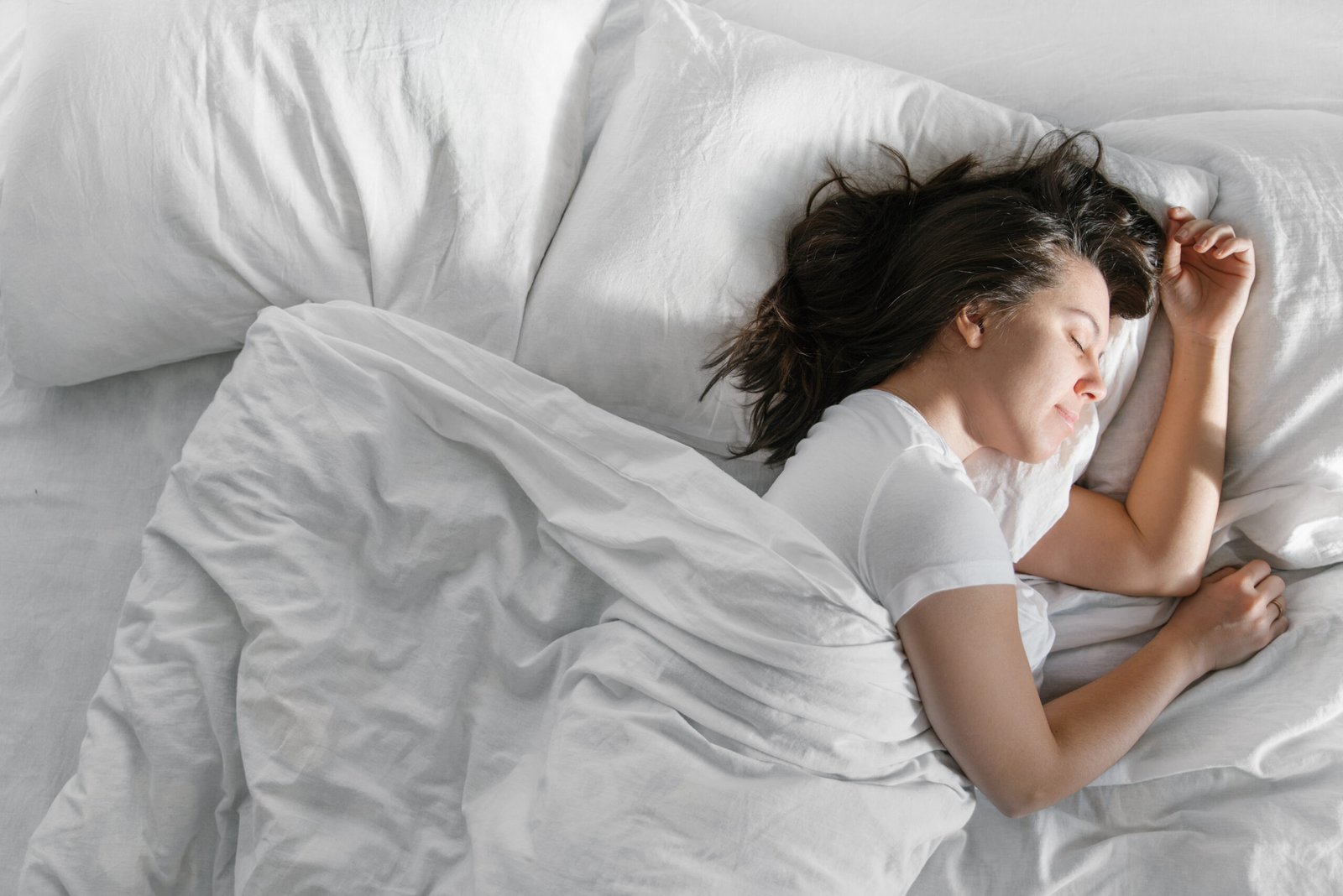
Australians excel at optimising their health – from nutrition and fitness to productivity hacks and supplements. However, one essential pillar continues to be overlooked, even though it underpins them all: sleep.
According to Australia’s Leading Sleep expert Olivia Arezzolo, this oversight comes at a cost. “Sleep isn’t just a pillar of health,” she says. “It’s the pillar that holds all the others up.”
When sleep quality suffers, so does energy, cognitive clarity, mental focus, emotional regulation, stress resilience, immunity – everything.
“Most people are aware of this – what they don’t know is how to solve their sleep problems, especially staying asleep at night, which is hands down the most common issue for our nation.” Arezzolo explains. “And one of its root causes, especially for women, is overheating.”
Why So Many Australians Are Sleeping Hot
Sleeping hot isn’t a new problem, but it is becoming more widespread. Research from Rest shows that one in two Australians now struggle with overheating at night, yet most bedding isn’t designed to address it.
While traditional materials like cotton or bamboo are often marketed as breathable, they don’t always support the body’s biological need to cool down during sleep. And when temperature regulation is compromised, comfort alone isn’t enough.
To fall into deep, restorative sleep – and stay there – the body’s core temperature needs to drop by approximately 0.5 -1°C before sleep and maintain its cool temperature overnight. When this temperature shift is interrupted, the nervous system remains alert, cortisol levels rise, and the body is more likely to wake.
“Overheating makes it harder to fall asleep and harder to stay asleep,” says Arezzolo. “A cool room and breathable bedding help reinforce the body’s natural temperature drop that signals sleep.”
Air conditioning can help, but it often doesn’t solve the problem entirely. If bedding traps heat, sleep can still become fragmented. This is why many people find themselves waking between 2am and 4am, feeling hot, restless or wired.
“Bedding that supports thermoregulation is critical, and unfortunately, its often missed. The research shows less than 1 in 4 Australians use cooling bedding which is a missed opportunity to improve your sleep,” adds Arezzolo.
Why What You Sleep In Matters
If you regularly wake up sweaty, overheated or kicking off the covers, your sleep surface may be working against you.
Poorly ventilated materials can trap heat and prevent moisture from evaporating. Over time, this leads to lighter sleep, more frequent waking and elevated nighttime stress hormones.
Breathable, cooling bedding allows the body to fully power down, supporting uninterrupted sleep cycles and deeper recovery.
Cooling bedding is still a relatively new category in Australia, but its importance is becoming increasingly clear. Products such as Rest Evercool are designed to support thermoregulation through ultra-fine, breathable fibres that improve airflow, manage moisture and reduce heat build-up throughout the night.
The goal isn’t just to feel cool when you first get into bed, but to stay comfortably cool as your body moves through different sleep stages.
Lowering core body temperature and staying a t that regulated temperature throughout the night has been shown to support greater amounts of deep (slow-wave) sleep and REM sleep – both essential for physical restoration, memory consolidation and emotional regulation.
Temperature Regulation Isn’t Only About Air Conditioning.
Air conditioning can help. Setting the room temperature to around 18°C supports the body’s natural cooling process during sleep. However, cooling bedding – including your doona, sheets, and pillowcases – is just as essential. Bedding that traps heat can undo the benefits of even the best climate control.
This is especially important because the head is a primary site of heat loss. When pillows and pillowcases retain warmth, thermoregulation is compromised – a critical and often overlooked factor in disrupted sleep.
To further support cooling as you approach bedtime:
- Avoid thermogenic activities that raise core body temperature in the three hours before sleep, including large meals, exercise and sauna use.
- Avoid hot drinks in the hour before bed — save your cuppa for the morning.
- A warm shower within an hour of bedtime can also help. Stepping into a cooler environment afterward encourages a natural drop in body temperature.
The Bottom Line
Better sleep isn’t about doing more — it’s about removing the obstacles that prevent the body from resting naturally. That means supporting the nervous system, respecting circadian rhythms and creating cool sleep environments including bedding that allow the body to cool down overnight.
Because when your body can cool, your brain can finally switch off. And that’s when truly restorative sleep begins. To find out more about Rest Evercool cooling bedding range visit: au.rest.com