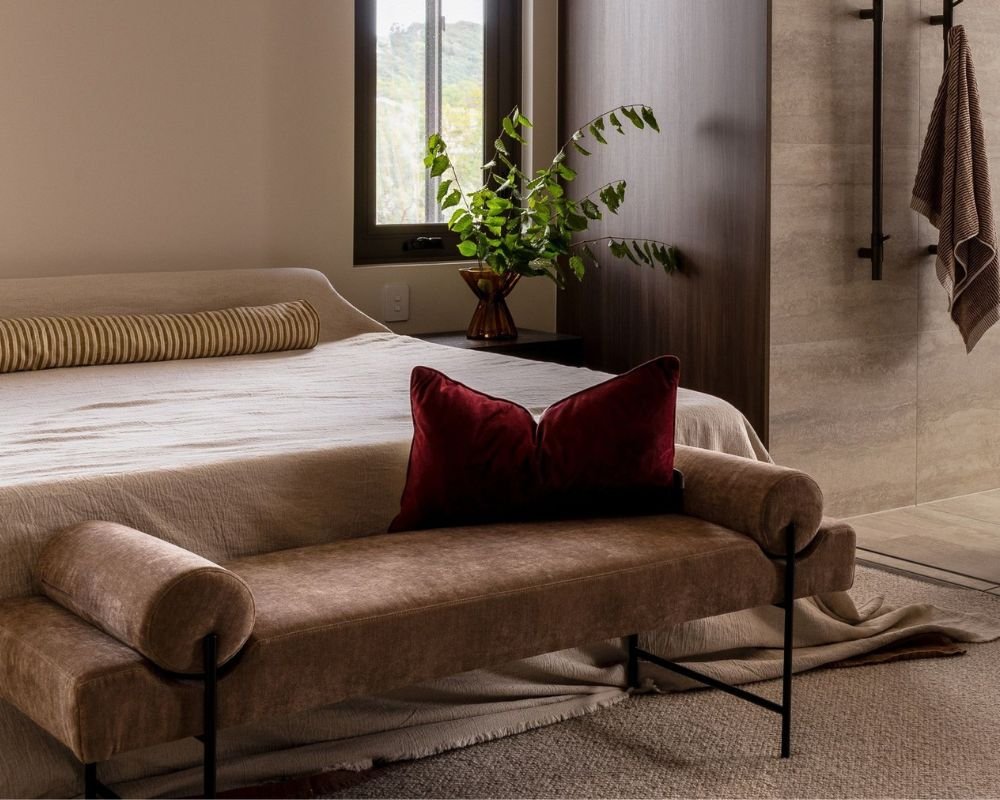
As temperatures drop and cosy season officially arrives, Australians are once again turning their attention indoors. But this winter, the focus isn’t on adding more cushions, thicker throws or another scented candle. Instead, designers are embracing something far more permanent: texture.
Thank you for reading this post, don't forget to subscribe!From aged metals and natural stone finishes to tactile surfaces that tell a story, this winter’s biggest interiors trend is all about creating homes that feel layered, lived-in and rich with character.
The shift marks a move away from the ultra polished, pristine interiors that dominated social media feeds for much of the past decade. In their place are spaces that feel warmer, softer and more authentic – homes that prioritise atmosphere over perfection.
According to ABI Interiors Co-Founder Luli Farrell, home owners are increasingly seeking interiors that feel genuine rather than overly refined.
“Our Antique Collection speaks to a clear shift towards interiors that feel authentic rather than overly refined,” she says.
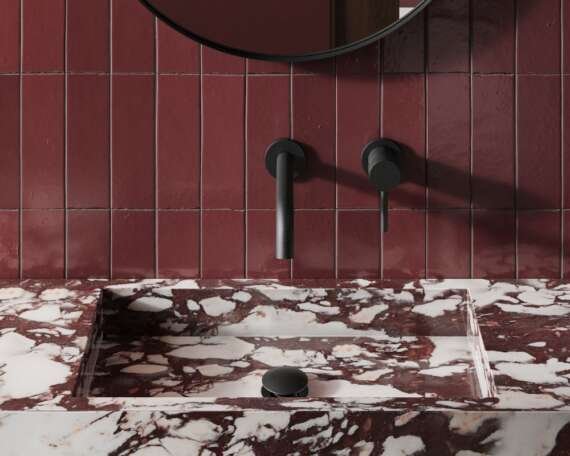
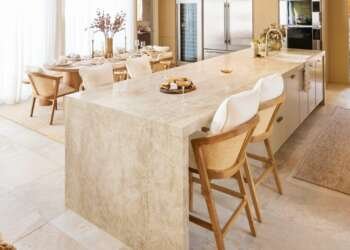
The observation reflects a broader movement taking place across Australian interiors. Whether it’s brushed timber cabinetry, limewashed walls, hand crafted ceramics or textured stone-look surfaces, home owners are gravitating towards materials that introduce depth and personality into a space.
It’s a trend that feels particularly fitting during winter.
As we spend more time indoors, our homes become more than just functional spaces. They become retreats from the cold, places where warmth and comfort matter just as much as aesthetics. Texture plays a surprisingly important role in creating that feeling.
Unlike colour, which can often follow seasonal trends, texture creates a sense of permanence. It catches the light differently throughout the day, adds visual interest without overwhelming a room and helps spaces feel instantly more inviting.
One area where the trend is becoming particularly evident is in kitchens, bathrooms and hardware selections.
ABI Interiors has recently unveiled its Antique Collection, a range of aged-metal inspired finishes designed to bring warmth and depth into contemporary homes. Drawing inspiration from time-worn materials, the collection includes Antique Aurum, Antique Bronze, Antique Slate and Antique Steel, each featuring an organically textured surface created through a bespoke tumbling process.
“Developed using our bespoke tumbling process, these textural finishes capture the character of aged metals without compromising on performance,” Farrell says.
“They add instant warmth and depth without feeling decorative, making them ideal for interiors that prioritise texture, character, and materiality – from modern heritage homes to contemporary spaces.”
The appeal of aged-metal finishes lies in their ability to soften a space. While chrome and highly polished surfaces can sometimes feel cool or clinical, warmer metallic tones introduce a sense of richness that pairs beautifully with winter’s moodier palette.
Designers are increasingly combining these finishes with natural materials such as timber, stone and linen to create spaces that feel layered rather than styled.
The trend also reflects a growing appreciation for craftsmanship and longevity. Rather than choosing finishes purely because they’re fashionable, homeowners are investing in materials that feel timeless and will continue to look beautiful years from now.
This desire for permanence is influencing everything from tapware and cabinet handles to lighting, furniture and decorative accessories. Pieces that show subtle texture, natural variation and artisanal detailing are replacing perfectly uniform finishes.
Importantly, embracing texture doesn’t mean your home needs to feel rustic or traditional.
One of the reasons the trend is resonating so strongly is its versatility. Aged finishes can sit comfortably alongside contemporary architecture, minimalist interiors and modern furnishings, adding warmth without sacrificing sophistication.
For homeowners looking to introduce the trend this winter, small updates can have a surprisingly big impact. Swapping out cabinet hardware, updating tapware, incorporating textured decorative objects or introducing layered natural materials can instantly make a room feel more welcoming.
Ultimately, winter decorating in 2026 is less about dramatic transformations and more about creating spaces with soul.
It’s about choosing materials that feel good to touch, finishes that become more beautiful over time and homes that tell a story through texture rather than trends.
And as Australians continue to seek comfort, warmth and authenticity in their interiors, it seems the era of perfectly polished spaces may finally be giving way to something far more inviting.