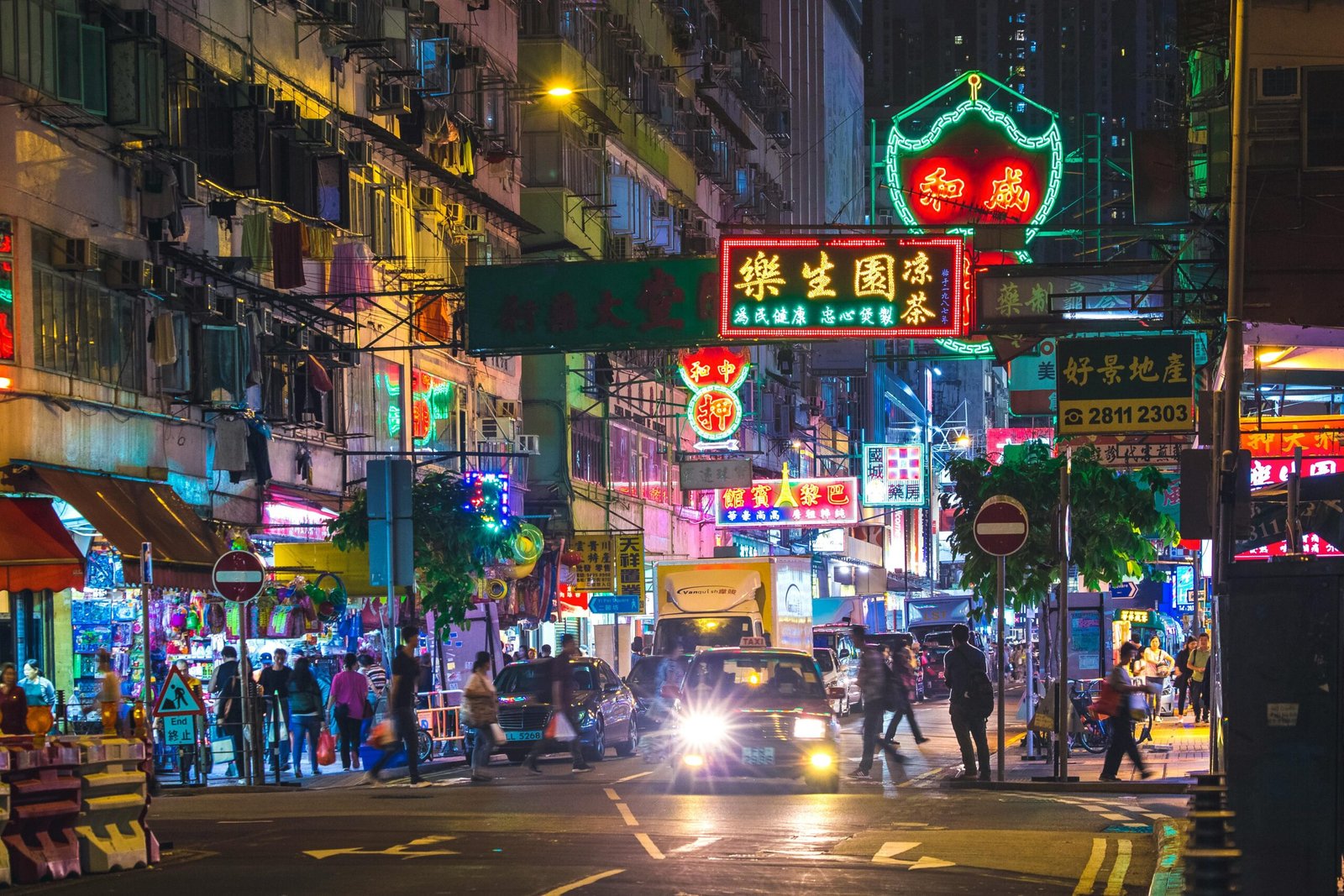
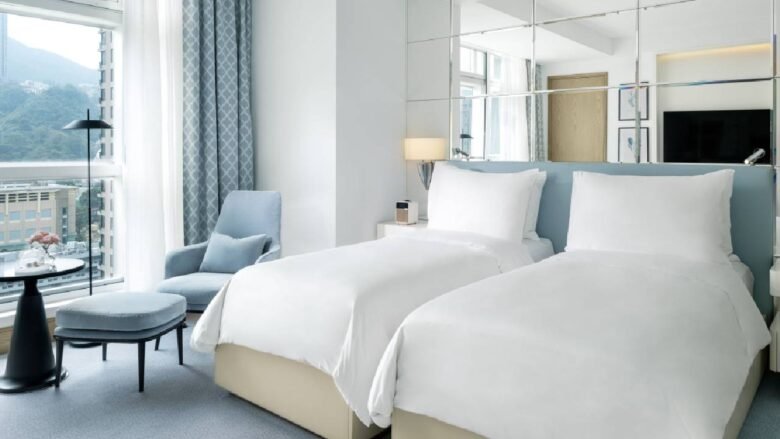
I hadn’t visited Hong Kong since I was a young girl travelling with my family, so returning for a week-long trip was both nostalgic and eye-opening. My first two nights were spent at Lanson Place Causeway Bay, a serene sanctuary that felt more like a French home than a hotel. Soft lighting, elegant décor, and the quiet hum of calm wrapped around me, a perfect retreat from the city’s bustle.
The elegant and spacious bedrooms at Lanson Place Causeway Bay (pictured below) are built for rest and along with the rest of the hotel stand in stark contrast to the outside hustle and bustle of the city of Hong Kong itself.
During these first days, I explored the city at my own pace. Long walks through the streets of Causeway Bay allowed me to soak in the energy of the neighbourhood from tiny shops and street markets to towering malls. I visited Times Square, browsing designer floors and quirky boutiques, and indulged in a few treats along the way.
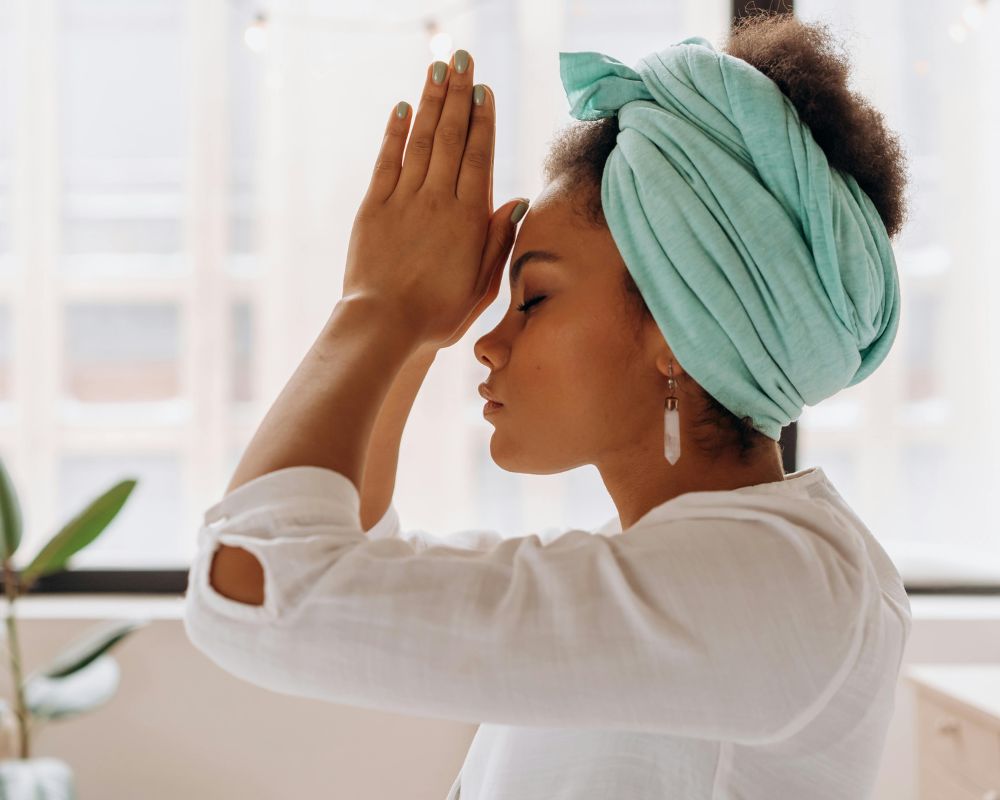
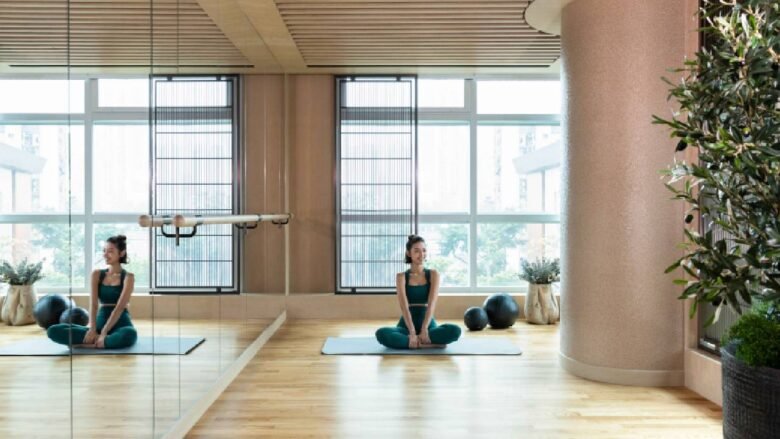
Evenings were for wandering the backstreets and enjoying the city lights, returning each night to Lanson Place’s calm comfort and an hour long yoga session.
Travel Diary: A Week of Hong Kong Food Adventures
After two nights, I checked out and joined a group of journalists for a culinary-focused media trip hosted by Lee Kum Kee. Our adventure began with dinner at a Dai Pai Dong on Ma Hang Chung Road. The atmosphere was electric, think tables packed with locals, neon lights reflecting off metal trays, and woks hissing with noodles, drunken chicken, and soup topped with fried egg and spam. It was here I realised that the “Chinese food” we eat at home barely scratches the surface of the rich, nuanced cuisine found in Hong Kong.
The next days took us across the spectacular Hong Kong-Zhuhai-Macao Bridge to visit Lee Kum Kee’s impressive production base in Xinhui. Touring the facility and learning about the accidental invention of oyster sauce in 1888 was fascinating. Later meals highlighted Cantonese culinary mastery: lacquered duck and fresh seafood prepared by Master Chef Tan Guohui in Foshan, an experience indelibly etched in my memory.
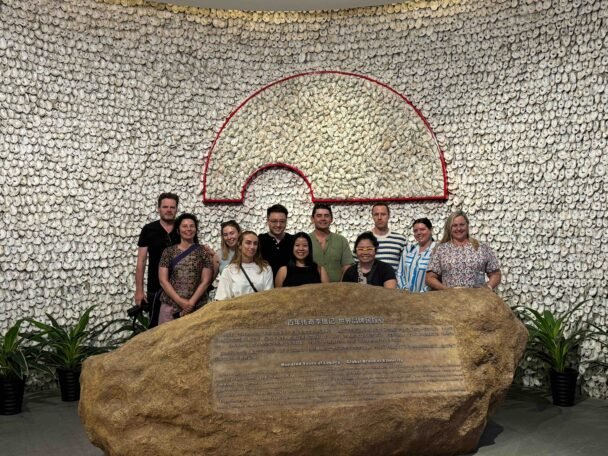
There were also hot pot dinners back in Causeway Bay, and a lavish soy-sauce banquet at Lee Kum Kee’s Hong Kong headquarters where every dish showcased a different signature sauce. We also met every one from the Lee Kum Kee team and witnessed first-hand the incredible pride in one of China’s best products and the generational family story behind the business.
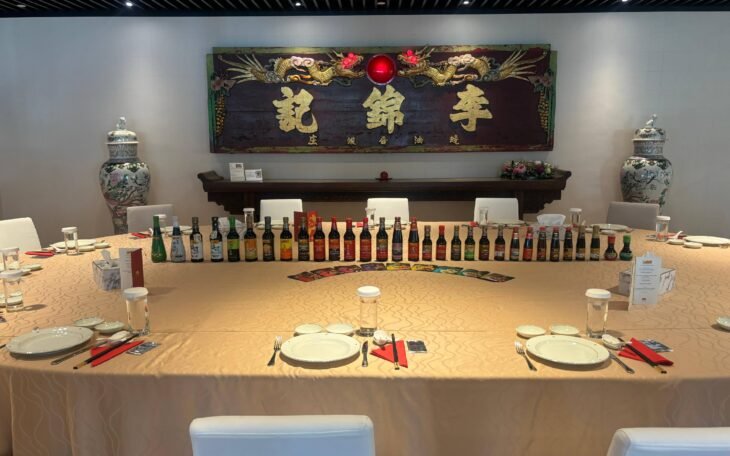
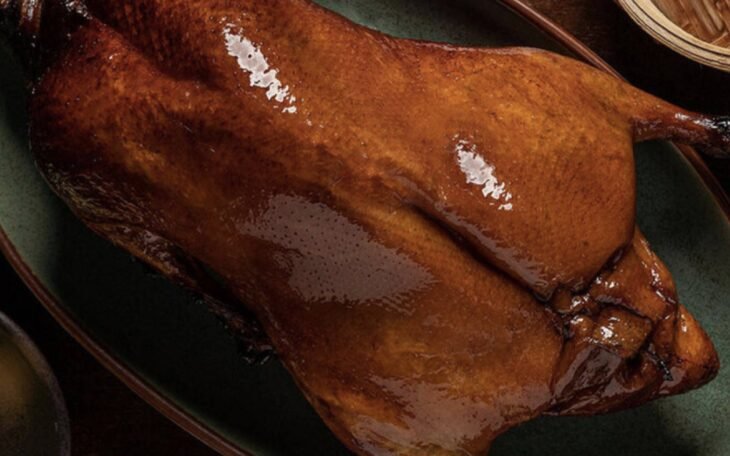
A hands-on cooking session at the Chinese Culinary Institute deepened my appreciation further. Learning to steam fish perfectly and balance flavours highlighted the gap between home-cooked Chinese dishes and the refined techniques used in Hong Kong kitchens. The week culminated at Mott 32 with their legendary 42-day Apple Wood Roasted Peking Duck which was easily the best I’ve ever tasted.
By the time I returned to the airport, I was full of food, culture, and memories. Even the airport dining couldn’t resist calling my name when I ordered roast goose, a final indulgence and a reminder of why Hong Kong is a world-class food destination.
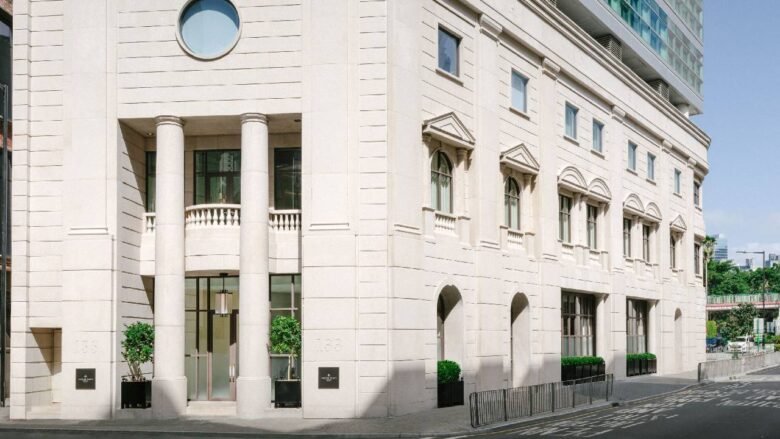
This week which began in the calm elegance of Lanson Place Causeway Bay (above) and flowed into immersive culinary adventures with the fabulous team at Lee Kum Kee and group of fellow journalists. It also left me with a profound realisation: authentic Chinese cuisine is an art that far surpasses what we experience at home. And Hong Kong and Fouchan’s best chefs Master Chef Tan Guohui from Suiyi Garden and Franco Yuen at Mott 32 in are living proof.

Culinary Masters Behind the Magic
Master Chef Tan Guohui — Foshan
During our trip to Foshan, one of the highlights was dining at Suiyi Garden, where Master Chef Tan Guohui crafted a feast that perfectly showcased the sophistication of Cantonese cuisine. Tan is a culinary force in Foshan, running a kitchen that feeds over 2,000 guests daily. What struck me immediately was his precision and dedication: every dish reflected not only skill but a deep respect for tradition and local ingredients.
We savoured lacquered duck, seafood dishes, and delicacies prepared using Lee Kum Kee sauces that had been perfected over generations. Chef Tan even gave us a private tour of his kitchen, revealing how his team works seamlessly to maintain consistency, flavour, and presentation at such a large scale. It was a rare glimpse into the extraordinary level of discipline, teamwork, and artistry behind authentic Cantonese dining.
Chef Tan’s philosophy emphasizes balance, freshness, and subtlety—principles that make Cantonese cuisine so celebrated worldwide. By the end of the meal, it was clear: what we eat at home is only a fraction of the depth and precision present in a masterful Cantonese kitchen.
Franco Yuen — Mott 32, Hong Kong
Later in the week, we returned to Hong Kong for dinner at Mott 32, one of the world’s most awarded Chinese restaurants. Here, Chef Franco Yuen, trained at the prestigious Chinese Culinary Institute, demonstrated why Mott 32 is known for redefining modern Chinese cuisine.
The highlight of the evening was the legendary 42-day Apple Wood Roasted Peking Duck, whose skin was crisp, aromatic, and caramelised to perfection, while the meat remained succulent and tender. Franco Yuen’s attention to detail was evident in every course—from the delicate char siu pork to innovative dishes that blended traditional Chinese techniques with modern presentation. Each dish reflected a mastery of flavour, texture, and storytelling through food.
Chef Yuen’s approach is a perfect marriage of technical skill and creativity. Dining at Mott 32 was an experience that elevated Chinese cuisine to an art form.