For many women, menopause is a deeply personal transition, one that can feel confusing, confronting and, at times, overwhelming.
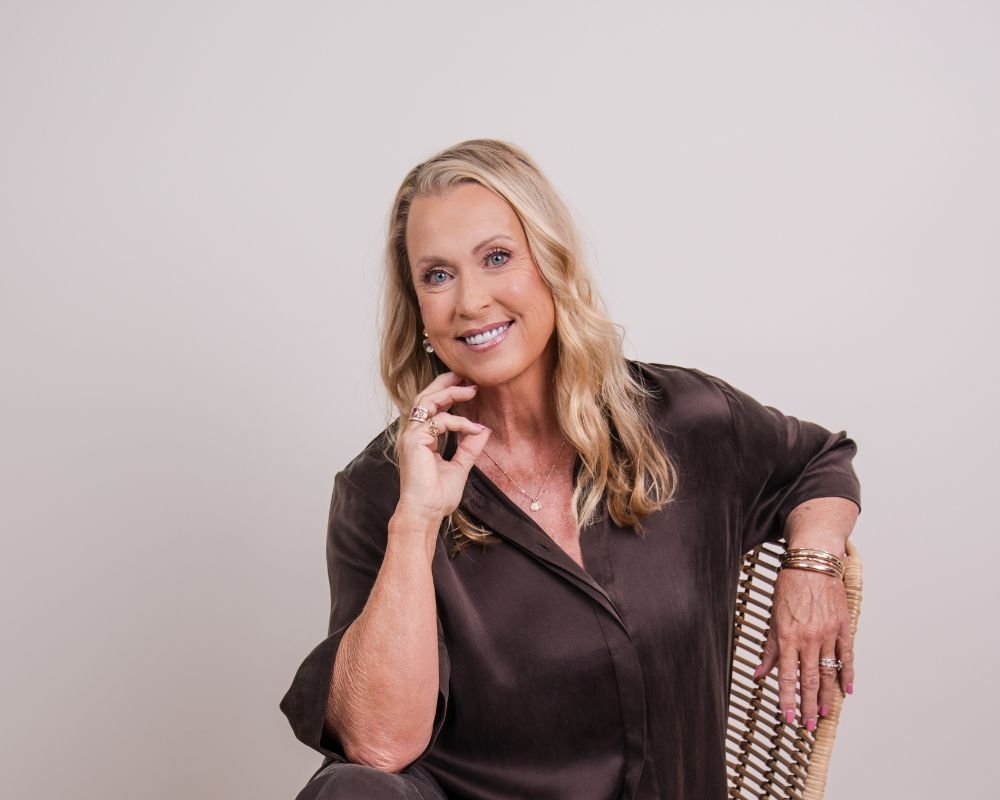
And triple Olympian Lisa Curry, was no exception, with her experience with menopause being one that reshaped how she cared for her body, managed stress and prioritised her wellbeing. Alongside naturopath Jeff Butterworth, she now co-leads Happy Healthy You (HHY), a hormonal health platform that supports more than 1.5 million women through perimenopause, menopause and postmenopause, as well as other hormonally influenced life stages including sleep disruption, stress, digestion challenges and mood changes.
Recognised as a leader in hormone education and support, HHY offers personalised assessments, expert-led programs and free resources, including a comprehensive online hormonal health assessment followed by a complimentary naturopath consultation. But for Curry, the work is deeply personal.
“Menopause was a real wake-up call for me. My body suddenly felt unfamiliar – hot flushes, disrupted sleep, emotional ups and downs were the worst symptom for me,” she says. “What helped most was accepting that this wasn’t something to ‘push through’ but something to work with. Because it’s your body doing what it’s supposed to do. It’s just biology.”
Now, five years on, Curry believes menopause can become an invitation to reset habits, reassess priorities and create a sustainable approach to health that supports women not just through their 50s, but for decades to come. Here, she shares the five pillars she swears by.
Movement
Movement has always been central to Curry’s life, but menopause shifted how she approaches exercise.
“Movement is absolutely essential during all stages of menopause — but it needs to be the right kind. Long, punishing workouts can actually make symptoms worse,” she explains.
Instead, she recommends a balanced mix of strength, cardio and mobility. “I recommend a balance of strength training to protect muscle and bone density (3 x week), low-impact cardio like walking or cycling (3 x week), and mobility work such as Pilates or yoga (3 x week). Strength training, in particular, has been my favourite form of exercise.”
The beauty, she adds, is that these elements don’t have to live in separate sessions. “You can easily adapt these three types of training into a single workout,” making movement feel achievable, not overwhelming.
Diet
At Happy Healthy You, nutrition is grounded in simplicity, sustainability and whole foods – something Curry lives by herself.
“One of my nutritionists always said – JERF – Just Eat Real Food. I always remember that,” she says.
“Whole, nutrient-dense foods are key. Protein becomes incredibly important for muscle, energy, and blood sugar balance. Healthy fats — like olive oil, avocado, nuts, seeds, and oily fish — help support hormones and brain health.”
Fibre also plays a starring role. “I also encourage plenty of fibre from vegetables and whole foods to support gut health, which plays a huge role in hormone regulation.”
What’s reduced matters just as much as what’s added. “Reducing sugar, alcohol (I don’t drink anymore – maybe one every now and then), and ultra-processed foods can dramatically help with the severity hot flushes, mood, and sleep. Even coffee can spark a hot flush – it’s very obvious.”
That said, Curry believes in balance, not restriction. “Of course I eat out and have a sausage roll and chips when I feel like it. I’m human! Remember it’s what you do ‘most of the time’ that counts.”
Mental & Emotional Wellbeing
For Curry, menopause coincided with unimaginable grief, profoundly shaping her understanding of emotional wellbeing.
“Being menopausal at the same time as losing both my daughter and mum were some of the worst years of my life, emotionally and physically,” she says. “So for quite a few years, I was sad, stagnant, sore and worn out.”
During this period, she learned to slow down, set boundaries and let go of guilt. “So I wrote, I set boundaries, and learnt to say ‘no’ without guilt – and they were powerful tools for me.”
Small rituals helped anchor her days. “Even five minutes a day can make a difference. Simple breathing exercises — slow nasal breathing or box breathing – breathe in for 4 seconds, hold for 4, breathe out for 4, hold for 4 — can calm the nervous system quickly.”
And when it comes to switching off, Curry’s methods are refreshingly down-to-earth. “My favourite way to unwind my mind is to get on my ride on mower and mow our property, or in winter I crochet! Yes…. Lisa Curry loves crocheting! These moments definitely relax my mind and body.”
Supplements & Natural Support
Curry’s journey through menopause is what sparked the creation of Happy Healthy You.
“Yes, absolutely. This is why we started this business!” she says. “When used correctly and consistently, natural supplements can have a long lasting effect on your mind and body.”
But she’s quick to emphasise that supplements are not a shortcut. “You can’t neglect your lifestyle, sleep, good food and enough exercise, then take natural supplements and expect great changes. Unfortunately some people expect miracles!”
Consistency is essential. “Natural supplements need time to be absorbed into the bodies 30 trillion cells, so if you don’t take them consistently, they can’t work.”
When it comes to navigating medical and natural options, Curry encourages collaboration. “There is absolutely a place for natural and pharmaceutical to work hand in hand for some people.”
Lifestyle Tweaks & Long-Term Health
Curry lives by her “Core 4 Essentials of Wellbeing”: Sleep, Exercise, Lifestyle and Food.
“Sleep is huge. Going to bed at consistent times, reducing screen exposure at night, and creating a cool, calm sleep environment can really reduce night sweats and fatigue.”
She’s also a strong advocate for joy, connection and purpose. “Staying socially connected also matters more than we realise — laughter, conversation, and feeling supported all help regulate stress hormones. Make sure you enjoy your job and where you live – lifestyle matters.”
Looking ahead, Curry urges women to think long-term. “Think long-term and think wisely. Ask questions. Set goals. Focus on habits you can maintain — not quick fixes.”
What surprised her most about menopause was the body’s adaptability. “What surprised me most was how adaptable the body still is — even when it feels like everything is changing.”
Her message to women is deeply empowering. “Remember too that perimenopause, menopause and post menopause are all natural stages of life – they all happen for a reason, so accept it, prevent severity of symptoms as much as you can, and go out there a really live… don’t just exist with symptoms that can be managed with some work.”
And her ultimate reminder? “It’s never too late to change the way you feel.”
Menopause, Curry believes, doesn’t mark the beginning of decline, but the start of a more intentional, empowered chapter – one where women can reconnect with their bodies, redefine wellbeing, and step into their next decades feeling strong, capable and deeply supported.