Kids today have it rough. In the current climate, they’ve had to contend with a significant disruption of normalcy on account of the pandemic, and that’s on top of normal “kid stuff” like dealing with school, friends, extracurricular activities, and the like.
It’s all difficult for a child to understand — let alone contend with — so it falls to parents to help their kids develop the skills they need to navigate these serious stressors.
The following will help you introduce your child to the idea of emotional self-regulation, covering the importance of developing healthy coping mechanisms and techniques you can use to get your child to become more capable of dealing with their emotions.
What is Self-Regulation?
The short answer is that self-regulation is the ability to manage emotions in a socially appropriate manner and stay focused during tough situations.
Going into greater detail, though, it encompasses the ability to avoid reacting emotionally in the face of stress. Those with proper self-regulation skills can reasonably calm themselves upon becoming upset and deal with frustrating situations without losing their cool.
For many adults, this is second nature, but for most younger children, it’s an ability they’ve yet to develop. Instead of rolling with the proverbial punches, kids are more prone to feeling distressed and exhibiting immature behavioral responses — outbursts, tantrums, etc.
Emotional self-regulation skills are important for children and adults alike. First, though, let’s explore what makes these abilities so critical for young and developing minds.
What Emotional Self-Regulation Can Do for Your Child
If you’re wondering why learning self-regulation matters, consider the fact that research from the Duke Center for Child and Family Policy suggests that children with stronger self-regulation skills often perform better in school, form better relationships with their peers, have fewer behavioral setbacks, and set themselves up for further success as they develop.
For instance, think of how the transition to online learning has impacted kids, particularly those with disabilities. Those with underdeveloped self-regulation skills were more likely to suffer long-term negative effects from the loss of their daily routine, while those with greater ability to manage their thoughts and feelings could take the change in stride.
In short, children who have a better grip on their emotions are more capable of conquering the many challenges they may face. Moreover, they are adaptable and resilient — a perfect pair of characteristics for navigating the complexities of maturation.
Multiple factors contribute to the development of self-regulation in children — biology, their environment, internal motivation — but support from you, their caregiver, can have a profound impact on how quickly and how thoroughly those skills develop.
Next, let’s discuss what you as a parent can do to help guide the development of your child’s self-regulation abilities and teach them practical techniques for dealing with their feelings.
Imparting Self-Regulation Skills to Your Child
First things first, you need to remember that self-regulation skills develop gradually in children, so you’ll have to exercise patience as they progress through various stages:
- As toddlers, children might be able to exhibit a modicum of self-regulation, but are prone to tantrums and will often let their feelings get the best of them because they only have a basic understanding of their emotional states.
- As preschoolers, children start developing greater levels of self-awareness and impulse control. They are capable of recognizing emotional states within themselves and others, and more or less know what displays of emotion are socially acceptable.
- Once they reach school age, children start to develop improved levels of self-control and can consider multiple perspectives before taking action. They can disagree with other people without starting a fight, and if something doesn’t go their way, they can do a better job of preventing an immediate outburst.
Somewhere between preschool and school age, you may decide the time is right to start directly coaching your child on improving their self-regulation skills.
You might begin with some basics, like helping them identify strong emotions that can influence their behavior, encouraging them to consider other perspectives before jumping to action, and teaching them specific behavioral strategies for handling their emotions.
You can also try using stressful events in your own life to demonstrate to your child the appropriate way to respond. Using the effects of the COVID-19 pandemic as an example yet again, think of how it may have necessitated that you move and start working from home, the amount of stress that caused you, and how you had to roll with the change to succeed.
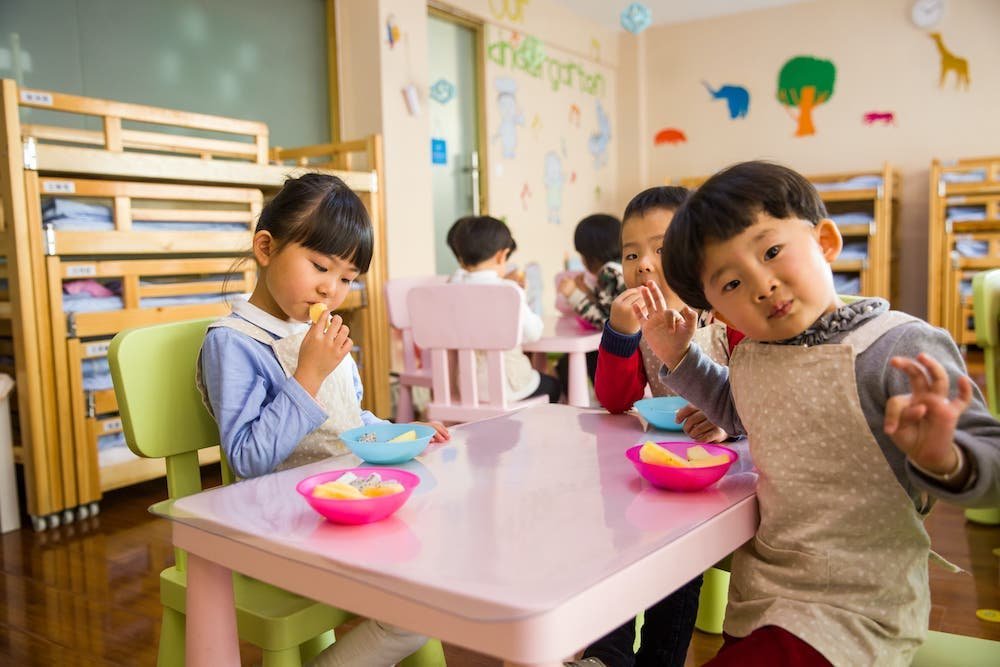
Finally, there’s no teacher-like experience, so you’ll have to give your child plenty of real-world opportunities to develop and practice their self-regulation. This means placing them in environments where they can interact with other children their age and letting them figure how they can cooperate while keeping their emotions in check.
Final Thoughts
Emotional self-regulation is a key skill for kids to possess — one that can serve as a predictor of their success later in life. They will start to develop this skill naturally, and their interactions with other children will further hone their ability, but as their parent, you can serve as a guiding force that will enhance their progress.
Be sure to invest in your child’s success early, and support them as they mature so that they can learn to self-regulate properly. Doing so will help them fit in better with their peers, and serve as the bedrock upon which they can build a bright future.