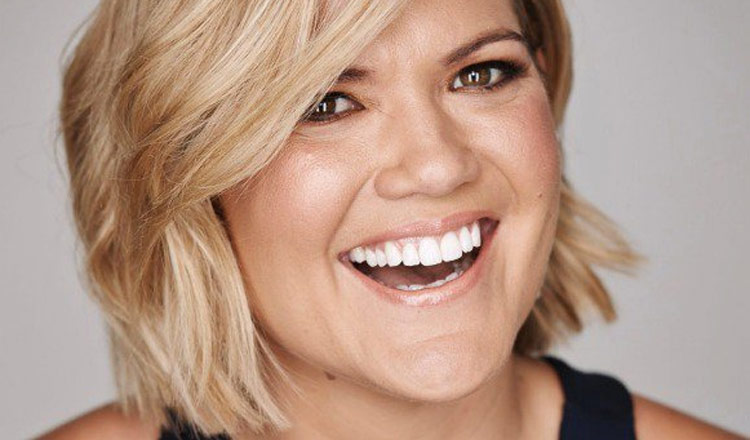
Hair can look glossy, soft, and perfectly styled — and still be quietly struggling. According to Ben Martin, Revlon Professional’s artistic ambassador and stylist, this is because true hair damage isn’t just skin-deep. With over 20 years in fashion, editorial, and commercial hair, Martin has seen it all: strands pushed to their limits, colour tested beyond recognition, and heat tools turned up too high. And over time, his understanding of what it means for hair to be “damaged” has changed dramatically.
“Earlier in my career, hair damage was mostly thought of in terms of surface wear, such as dryness, split ends, or rough texture caused by heat tools, colouring, and environmental exposure,” he explains. “Over time, the industry has developed a much deeper understanding that true damage happens inside the hair fibre, particularly at the bond level, where structural proteins are compromised.”
Chemical services, heat styling, brushing, and even pollution can weaken internal bonds and disrupt the hair’s natural strength and elasticity. Martin says this shift has changed the way stylists approach both preparation and aftercare. “The focus is no longer just on cosmetic smoothing, but on repairing and reinforcing the hair structure itself. Working in fashion and editorial environments, where hair is often pushed to its limits, I’ve seen firsthand how important bond-repair technology is for maintaining the integrity of the hair while still achieving creative results.”
Beyond the Surface: Levels of Damage
Many people think damage is only what they see — frizz, roughness, or split ends — but Martin insists that’s only part of the story. “Hair damage happens on different levels of the hair fibre, not just what we see on the surface. When hair looks dry or frizzy, that’s often only the visible result of bigger structural changes,” he says.
The first level is the cuticle, the hair’s outer protective layer. Heat styling, brushing, colouring, and environmental stress can lift or chip the cuticle, leaving hair rough and dull. Beneath that is the cortex, which gives hair strength, elasticity, and shape. “Chemical services and high heat can weaken the cortex by disrupting the protein structure,” Martin explains.
Deeper still are the internal bonds, which hold the hair fibre together. When these break, hair becomes fragile, prone to breakage, and harder to manage — even if it looks relatively healthy. And finally, scalp and fibre balance, the often-overlooked foundation, affects how hair grows and how resilient it is over time. “Maintaining healthy hair isn’t just about surface care. It’s about supporting the entire structure of the hair fibre,” Martin says, pointing to Revlon Professional’s RE/START Bond Repair range as a system designed to tackle all these levels simultaneously.
What Each Level Tells You
Spotting damage at each level helps you treat it properly. Cuticle damage is evident in rough texture, tangles, and frizz. Lipid layer depletion — when natural fats between cuticle cells are stripped — leaves hair porous and dry. Cortex damage shows up as a loss of strength and elasticity: strands snap easily or won’t hold a style. Internal bond breakdown may not be obvious at first, but it underpins all fragility and breakage.
Repair requires a layered approach. Cuticle care benefits from smoothing and conditioning products that seal and protect the surface. Lipid restoration replenishes moisture and flexibility. Cortex repair strengthens the internal protein structure. And bond repair uses advanced technology to reconnect weakened bonds — essential for hair that endures frequent chemical services or heavy styling.
Modern Bond Repair vs. Traditional Care
Traditional masks and conditioners smooth the cuticle and add shine, but rarely reach deeper damage. “Modern bond repair treatments are designed to work inside the hair fibre, targeting the internal bonds and protein structure that give hair its strength and elasticity,” Martin explains. By reinforcing these bonds, treatments like RE/START make hair stronger, more resilient, and less prone to breakage over time.
Lifestyle habits can exacerbate problems. Heat styling mainly affects cuticle and cortex. Chemical services can compromise all levels — cuticle, lipid layer, cortex, and bonds. Sun exposure and pollution degrade cuticle and lipids, leaving hair dry and colour-prone to fade. “Adapting a routine that includes gentle cleansing, conditioning, lipid replenishment, and bond-repair treatments helps support the hair at every level,” says Martin.
For multi-level damage, the best strategy combines professional treatments with consistent at-home care. “Professional salon treatments deliver more intensive repair, particularly for cortex and bond-level damage. At-home care is essential for maintaining results by supporting the cuticle, lipid balance, and overall hair condition between salon visits. When both work together, the hair is supported across all levels, maintaining strength, manageability, and overall health.”
Misconceptions and Emerging Trends
Common myths linger. Many think surface fixes are enough, that all damage is visible, or that hair can fully recover from severe damage. Overloading hair with products doesn’t address deeper bond or cortex issues. “Professional treatments are often needed for multi-level damage, while at-home care maintains and supports those results,” Martin says.
Exciting innovations are transforming haircare: multi-level repair formulations, scalp-focused treatments, and smart delivery systems allow active ingredients to penetrate deep for long-lasting effects. “I’m particularly excited about products like RE/START, which combine bond repair, fibre strengthening, and scalp care in a single system — a real step forward in holistic hair health,” Martin notes.
The Ultimate Tip
So, what’s Martin’s go-to advice for hair that survives fashion-week styling, heat, and chemical treatments? “Protect and repair at every level. Limit unnecessary stress. Maintain consistency. And remember: a healthy scalp equals healthy hair. Don’t just fix the surface — rebuild the structure, protect it daily, and treat hair holistically.”
In a world where glossy strands often hide fragility, Martin’s four-level approach is a revelation: the secret to hair that’s not only beautiful, but resilient, strong, and runway-ready.