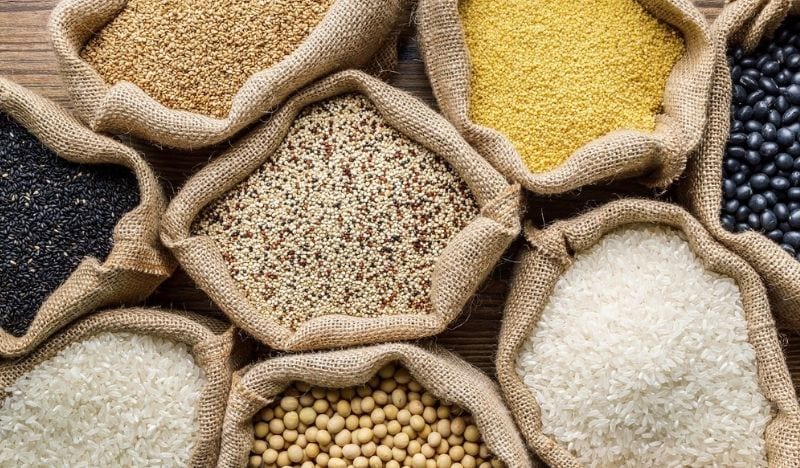
The wonder and the complexity of the modern world has as its foundation ancient grains. Some ten thousand years ago, for the first time in history, mankind was able to settle in the ‘fertile crescent’ on the banks of the river Nile, sow seeds and grow crops, thus dispensing with a life subsumed by the perpetual search for food and its concomitant nomadic lifestyle. Specifically, emmer wheat, einkorn wheat and barley were three of the so called Neolithic founder crops in the development of agriculture. This source of food enabled settlements to be established at the start of civilization as populations grew in the Babylonian and Assyrian empires.
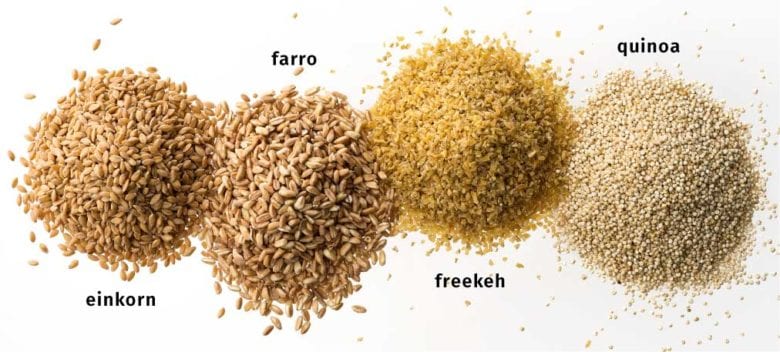
These grains used in baking ancient sourdough are completely different than what we are eating today. They are all “covered-wheat” grains, having thick husks around each kernel.
The inedible husk must be removed by pounding or milling and then winnowing before the grains can be ground or eaten. That’s a lot of work which precludes, on the basis of the time and patience required, to be a realistic option for most.
Dr. Weston Price famously found several traditional cultures who thrived on wheat, but they weren’t eating today’s refined white flour treated with quick-rising yeast. They were doing all the things a person has to do if they want to make wheat a staple of their diet and maximize the nutrition in the process: stone-grinding and fermenting (which effectively “pre-digests” its problematic proteins) fresh wheat.
As an ingeniously developed variation, modern wheat is indeed a marvel. For feeding the multitudes in a cost effective manner it has given birth to the modern world. How is it that from such auspicious beginnings wheat could have fallen into such disrepute?
The Double-Edge Sword of Dwarf Wheat
The move toward today’s modern wheat began with hybridizing for smaller or dwarf varieties of wheat. In brief, shorter wheat means massively increased yields.
The increased production capability of the hybridized dwarf wheat exceeded expectations, and plant breeders began more hybridization experiments starting in the early 1960s, culminating in a further drastic increase in the production capability of the dwarf super-hybridized wheat.
However, in the rush to increase yield, the issue of digestibility was never examined, nor was another result of the hybridizations: the huge increase of gluten levels. Gluten provides modern wheat with the appealing capacity for making tall, fluffy breads. Unfortunately, gluten is highly inflammatory, not just for celiacs, but for the millions who suffer from subclinical gluten sensitivities, most of whom are unaware that the origin of their ailments can be found in wheat based gluten.
So, to recap: modern dwarf wheat experiments led to high profits at the expense of health.
The experimentation didn’t stop there however. In 2003 BASF, the chemical company, introduced the chemically engineered Clearfield wheat, which is tolerant to their proprietary herbicide Beyond.
So what we are now eating is a super-hybridized, chemically and radiologically mutated wheat. It’s no wonder we are having issues with digestion and allergic reactions that are becoming more common and more severe. Not all of the wheat that is commercially available is from Clearfield wheat, but more and more is coming onto the market. The rest of the wheat is from the super-hybridized semi-dwarf varieties.
Traditionally, in stark contrast, bread was made with a slow rise sourdough method, using native yeast from the air to raise the dough. Sourdough is a partnership between specific yeast and bacteria that support each other and make bread rise and develops the unique flavors.
Today’s bread is made with fast-rising yeast that has been cultured specially to raise bread dough faster and higher than any sourdough can. The wheat is milled to remove the outer layers of wheat bran and wheat germ, leaving only the starchy endosperm or white flour. Various agents are added to the dough which keeps the bread fresh and pliable for a longer period of time. The bread dough is mixed and kneaded, then left to rise for an hour or two and baked.
The two major differences in these breads are the flour and the method of rising used.
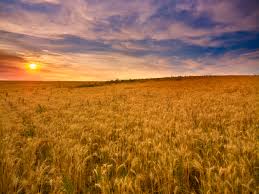
The flour in the sourdough bread is whole wheat, meaning the entire kernel of wheat is milled into flour. In contrast, the white flour is stripped of most of its nutrients; with a few synthetic vitamins added back in after milling.
The rising methods and times differ greatly, with the sourdough having time to break down some of the proteins and amino acids that are indigestible initially. The long ferment and rise of the sourdough, often more than 24 hours, allow the yeast and bacteria to make the resulting bread more nutritious and digestible for us.
Most find that avoiding modern dwarf wheat and instead sourcing ancient grains, preparing them in the older, slower methods or buying from purveyors who practice these methods keeps the digestive systems happy. Learning to make (or buying where you can find them) sourdough breads with long fermentation and rise times, along with soaking or sprouting grains will make these foods easier to digest and tastier as well.
All that glitters isn’t gold. In a story reminiscent of the rise of industrial, commercial convenience foods, the bright glare of the modern has blinded us from seeing its nasty underbelly. Traditional grains and methods of making our daily bread are much more delicious, healthy and nutritious than modern methods fixated on genetic engineering and profit margins.
- The Carousel would like to thank James Gleeson for this article. He is a Personal Trainer at Tribe Social Fitness, Sutherland Shire, Sydney.