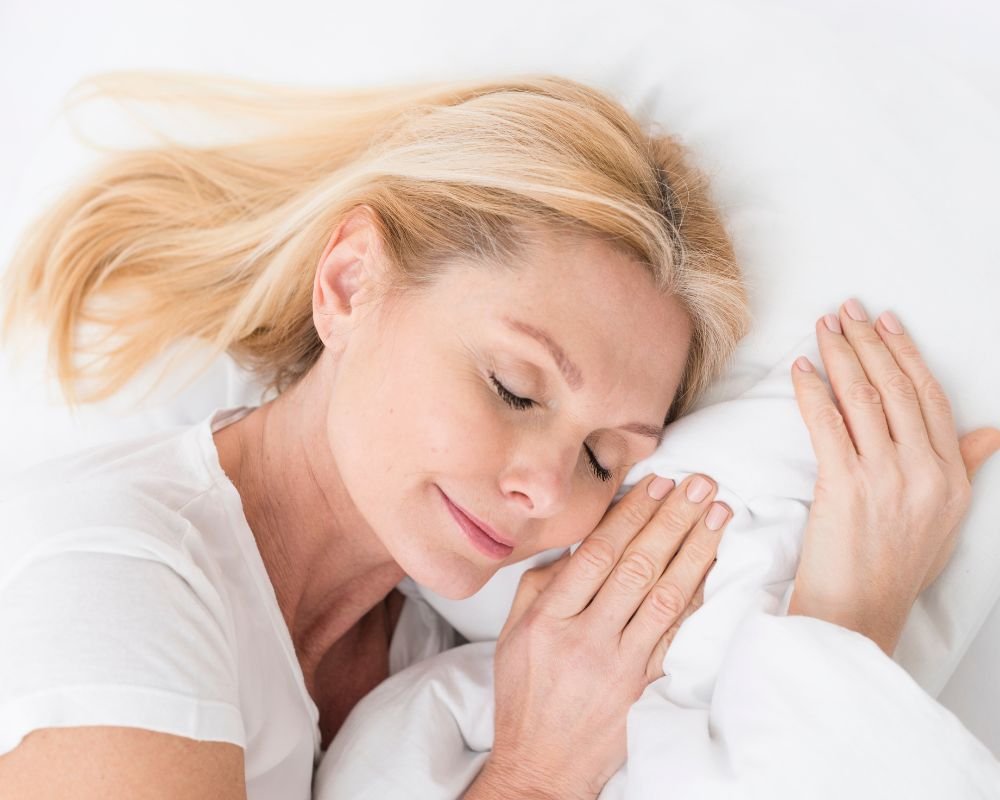
Australia has long prided itself on an enviable lifestyle: sunny weekends, morning runs, and a cultural obsession with wellness. Sleep, too, has been a point of national pride. According to recent global sleep rankings, Australians rank among the world’s best sleepers, boasting healthy average sleep scores and strong routines.
Yet beneath this glossy picture of rest and recovery lies a surprising contradiction. New research reveals that nearly one in three Australians may be living with mild sleep apnea – a largely hidden condition that disrupts breathing during sleep and can quietly increase the risk of serious long-term health problems.
Sleep apnea is not just the loud snoring, gasps, or daytime fatigue many associate with the condition. Mild cases, which often go undetected, can involve micro-arousals or brief drops in oxygen levels that don’t leave obvious marks on overall sleep duration. The result? Australians may wake feeling refreshed, unaware that their cardiovascular health, metabolism, and long-term wellbeing could be quietly affected.
The Healthy Nation Paradox
The phenomenon is being called the “healthy nation paradox.” While Australians may excel in lifestyle metrics – averaging 5,500 steps per day and achieving consistent sleep scores – these measures don’t always capture subtle physiological disruptions overnight.
Insights from the Withings Sleep & Activity Report 2025, which analysed anonymised data from over 421,000 users globally, show that Australia recorded 261,398 nights of mild sleep apnea in 2025 alone. Around 30 percent of Australian users were affected, with men disproportionately so: one in three men compared with one in five women.
“The healthy nation paradox is real,” says Professeur Pierre Escourrou, Cardiologist, Sleep Physician and Senior Medical Advisor at Withings. “Australians may achieve impressive sleep scores and maintain active lifestyles, but intermittent breathing disruptions during the night can still occur – often without anyone noticing.”
The Hidden Health Risk in Mild Sleep Apnea
Even mild sleep apnea is far from benign. Studies have linked it to a 1.6 times higher risk of Type 2 diabetes, a three times higher risk of developing hypertension, and a fourfold increase in atrial fibrillation. As Prof. Escourrou notes:
“Even in mild cases, untreated sleep apnea has been associated with increased cardiovascular strain, metabolic dysfunction, insulin resistance, weight gain and chronic fatigue.”
The takeaway is clear: a good sleep score doesn’t always mean your body is fully recovering overnight.
What Happens While We Sleep
Sleep is more than hours in bed. It is a complex choreography of cycles – light, deep, and REM sleep – where tissues repair, the mind consolidates memory, and the heart slows to restore energy. But breathing interruptions caused by apnea can trigger subtle arousals, oxygen dips, and strain on the cardiovascular system without affecting total sleep time.
Longitudinal monitoring studies, such as the Flinders University research using anonymised Withings data, suggest that variability in breathing disruptions may matter as much as severity. Even those with mild apnea can experience arterial stiffness similar to patients with severe cases. In short, the nightly micro-patterns of sleep can reveal risks that a casual check-in or a single night in a clinic might miss.
Lifestyle, Wellness, and Sleep Awareness
For Australians keen on maintaining health, the data serves as a gentle reminder: sleep quality is multidimensional. Exercise, diet, and consistent bedtime routines are crucial, but so is understanding what happens while you sleep. Even a seemingly minor issue like mild apnea can compound over years.
Public awareness of sleep apnea remains limited, despite increasing interest in wellness and self-care. Symptoms such as daytime fatigue, morning headaches, irritability, or frequent nighttime awakenings may be dismissed as “normal life stress” rather than red flags. Experts emphasise that recognising subtle warning signs and seeking assessment – whether through home monitoring, lifestyle tracking, or consultation with a sleep physician – can be key to preventing long-term consequences.
Men, Women, and the Sleep Gap
The new Withings data highlights gender differences in mild sleep apnea prevalence. Men are more affected, a trend thought to relate to airway anatomy, hormonal influences, and lifestyle factors. Women, while less likely to show apnea signs statistically, may still experience undiagnosed sleep disruptions, particularly during menopause or with weight changes.
Understanding these nuances allows Australians to better personalise sleep hygiene practices, from mindful evening routines to targeted clinical consultation if risk factors are present.
The Modern Sleep Trend
In a society increasingly focused on wellness, sleep is emerging as both a metric and a movement. Apps, wearable devices, and home monitoring are helping Australians track patterns, identify anomalies, and understand their nights more fully. But the broader trend is cultural: recognising that duration alone is not the whole story, and that subtle physiological signals matter as much as feeling rested.
To coincide with World Sleep Day on 13 March, experts are encouraging Australians to take a step back from purely “hours in bed” metrics and pay attention to the quality and consistency of sleep cycles, breathing patterns, and recovery. Lifestyle adjustments – reducing alcohol before bedtime, managing stress, maintaining regular exercise, and considering professional evaluation if symptoms arise – can make a meaningful difference.
“The new benchmark for health isn’t just how long you sleep – it’s what’s happening while you sleep,” Prof. Escourrou says.
What Australians Can Do
Even without professional monitoring, there are practical ways to support healthy sleep:
- Maintain consistent sleep and wake times
- Avoid alcohol and caffeine close to bedtime
- Keep bedrooms cool, dark, and quiet
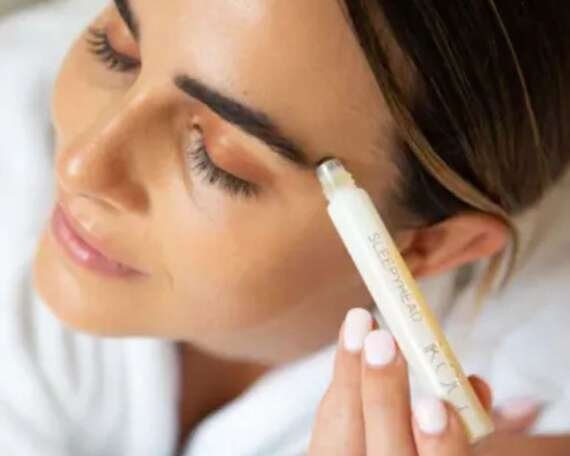
- Incorporate regular movement and mindful stress management. A product with soothing organic lavender oil and calming sweet orange, like the Sleepy Head Aromatherapy roll-on by Ikou can help.
For those interested, at-home monitoring tools now provide an extra layer of insight, revealing breathing patterns and early signs of sleep apnea, often before major symptoms appear. The trend is clear: sleep is not just a lifestyle habit – it’s a window into long-term health.
In a nation celebrated for activity, sun-soaked mornings, and wellness, it seems Australians are learning that truly healthy sleep is about more than feeling rested. It’s about the silent, unseen rhythms that sustain the heart, metabolism, and mind – and the growing awareness that what happens while we sleep is just as important as the hours we spend in bed.