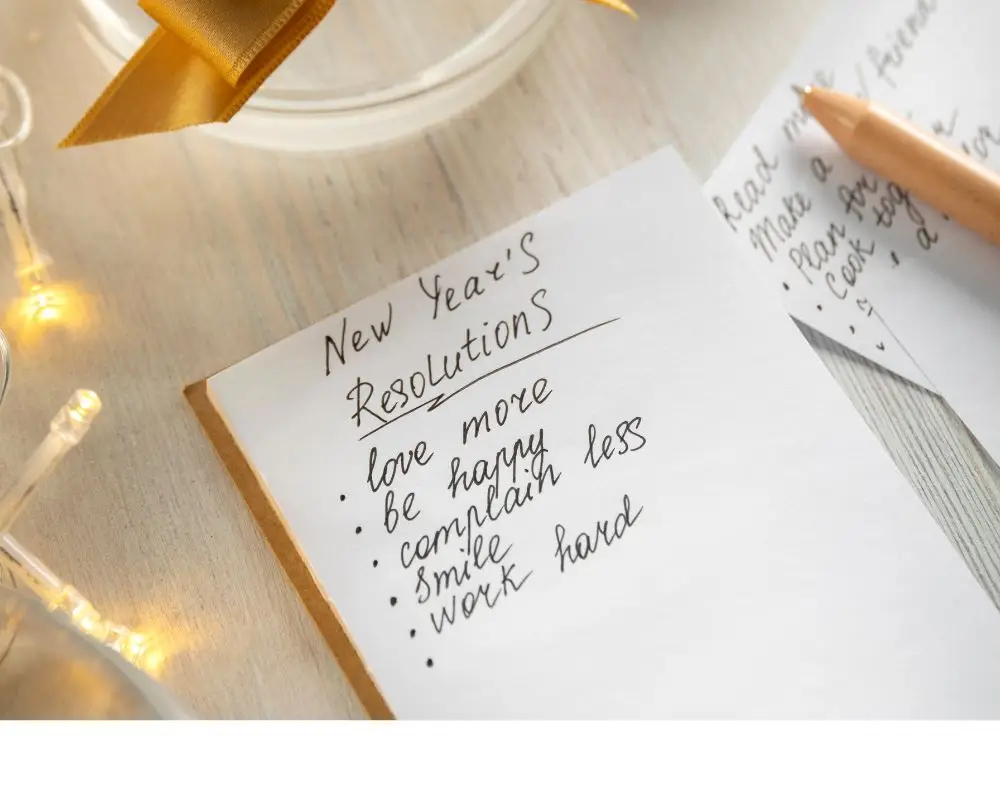
Looking for a little New Year’s resolution inspiration? Turns out Australia’s “best wellness experts” aren’t kicking off the new year with dawn alarms, celery-only diets or a sudden personality transplant. They’re not vowing to become a different person by February — just a slightly more rested, mobile, present version of the one they already are.
Behind the polished bios and impressive titles are people who are rehabbing injuries, trying to get to bed earlier, fitting in ten minutes of stretching between meetings, and reminding themselves (daily) that consistency beats perfection. There are parents negotiating bedtime, founders easing off the accelerator, entrepreneurs measuring success in presence rather than productivity, and high-performers quietly realising that rest might be the most radical goal of all.
In other words: they’re just like us. Their New Year’s “resolutions” look less like grand declarations and more like realistic resets — small, human habits designed to survive real life. And honestly? That might be the healthiest goal of all.
Jen Dugard, founder, MumSafe
My main goal this year is focus. I want to do less, better, protecting my energy and being intentional
about what I say yes to, both at work and at home. Practically, that means moving my body in ways that support my life, not take it over, strength training a few times a week, walking the dog twice daily, and keeping running in the mix because nothing clears my head like it. I’ll also be training for another HYROX event, so my goal is to build on the base I’ve established this year, increasing both strength and endurance. Recovery is equally important, prioritising sleep, rest days, and listening to my body.
I’ve learned that more isn’t always better. More goals, pressure, or rules don’t make me healthier or happier, they just leave me exhausted and less productive. Instead, I plan on concentrating on what truly matters in my business and be fully present outside of work.
I’ve stopped making resolutions from self-criticism or trying to become someone I’m not. Consistency, not perfection, is what keeps me moving forward.
Veronika Larisova, co-founder, Chief Nutrition
I don’t set resolutions, I set goals. My main goal for 2026 is to return to racing at my favourite event, Ultra-Trail Australia in the Blue Mountains. I have done ultra runs all over the world and it is my passion. In fact, it was also one of the inspirations behind launching Chief Nutrition 10 years ago. And so, after being unable to run for most of 2025, this goal is deeply meaningful. It’s important to me because it represents resilience, patience and long-term health, not quick fixes. I plan to achieve it through a structured physiotherapy, rehabilitation and running program, supported by biohacking, habit tracking and SMART goal-setting. Progress comes from consistency, not perfection.
For others looking to set a goal this year, SMART stands for specific, measurable, achievable, relevant and time-bound. What doesn’t get measured, doesn’t get achieved. The SMART system allows structure, accountability and realistic expectations to achieve any goal.
Shaun Krenz, co-founder and Director, AusFitness Expo
For years, my training was all about performance and improvement, lifting heavier, getting leaner, adding more bulk, pushing further. Now in my forties, the goal has shifted. My 2026 focus is longevity: building a body that’s strong, mobile and capable for the long haul. Strength training remains my anchor, but it’s now balanced with deliberate recovery, mobility and smart pacing.
My routine is sustainable by design, daily fasted cardio, regular strength sessions, consistent stretching and nutrition that’s structured but enjoyable. Nothing extreme, just repeatable habits. The biggest reward has been seeing my kids notice. Watching them adopt the same discipline has reinforced the idea that real performance is about staying healthy, moving well, and leading by example.
Luke McLeod, Workplace Wellbeing Advisor, Author and Meditation Teacher
My #1 resolution for 2026 would have to be being the best dad possible. This matters because it’s been quite the journey for my wife and I to get to the point of having a child. So, it really means a lot and I therefore don’t want to take any moment I have with her for granted.
I think being as present as possible when with her would be best way to achieving this. Trying to never take a moment with her for granted and investing in quality experiences shared with her.
Laith Cunneen, Managing Director, Peak Physio,
My New Year’s resolution is deliberately simple: completing just ten minutes of mobility work every day. While it may sound small, it’s something I know will have a big impact long term. Mobility is easy to neglect. Yet it declines quickly when it’s not maintained, showing up as stiffness, reduced range of motion and a higher risk of injury as we age. I’ve noticed that I’m more easily injured than I used to be. And, improving my mobility is one of the most effective ways to build physical resilience.
Better mobility also supports everything else I do in training, and the reason this resolution works for me is how achievable it is. Ten minutes is a minimal time commitment, it can be done anywhere, and it doesn’t require equipment or ideal conditions.
I’ve learned in the past that setting rigid goals that didn’t fit my lifestyle. This time, the focus is on behaviour rather than outcomes. By setting a realistic minimum I can maintain even during busy or stressful weeks, I’m confident this habit will stick. And, ultimately deliver meaningful long-term results.
Tess Brouwer, co-founder, Awake Academy
Practising What I Preach: My Resolution for 2026
My number one resolution for 2026 is less performance, more presence.
Change does not happen in big promises we announce in January. It happens in the small moments we repeat every day, especially on the hard days. This matters because most of us are not failing at wellbeing, we are exhausted by trying to do it perfectly. Big goals sound inspiring in January, but once the new year kicks into gear, they rarely survive real life. Presence, however, can be practised anytime, and presence is where awareness, regulation, and choice begin.
In 2026, I am committing to practise what I teach through micro habits rathen than more routines and more rules.
This may look like one breath before I respond. One check in before I push through. Maintaining one boundary without feeling the need to explan myself. One moment of movement, sunlight, or stillness, even on busy days. These habits take seconds and they calm the nervous system, and turn values into behaviour. For me, wellbeing is no longer about looking good or doing more. It is about listening better and showing up with integrity in ordinary moments.
My word for 2026 is grace. To maintain Grace in both the good times and the challenging ones.
If you want to do the same, the Awake Academy New Year, Best You digital workbook is available now for $7.77. It isa simple tool to help you live a life by design, not default, and truly love your best life.
Brooke Elliston, a Breath educator, author and former lawyer
Perhaps I should call this the anti resolution. Because, while everyone chases goals about adding more, mine is about the one thing that moves the needle most. Rest. Not another “optimise your sleep” plan where you keep running at full pelt and hope the night can clean it up.
Even with the rise of sleep awareness, many people live in chronic sympathetic arousal from morning to evening and expect bedtime to undo it. What we want is a flight path, lift in the morning, then a gradual descent so night becomes a smooth landing into rest.
We know the significance of circadian rhythm, yet woven through it is another pulse that rarely gets the same airtime, the ultradian rhythm, the body’s natural cycling between activation and recovery, often around ninety minutes. When attention fades, we override that built in recovery with coffee, scrolling, or a subtle shift upwards in breathing, typically faster and more chest dominant, which can keep the system in mobilisation.
I am not immune to this either, so here is how I will make it happen. Yoga Nidra, one of the yogic roots of what is now often called non sleep deep rest, goes in my calendar for twenty minutes each day at 2pm, timed for the dip I usually push through. Over time, the system learns to expect rest after activation. If you want to try it, my most played Yoga Nidra for Nervous System Reset is free here.
In early 2026, Brooke will releas her debut book, The Breath Reset Plan: A practical guide to restoring your health and feeling fantastic with breathwork(Affirm Press, January 2026)
Genevieve Gregson, Olympian, Athlete and True Protein Ambassador
My main New Year’s resolution this year is simply to go to bed earlier. I put so much time and energy into being the best athlete I can be through structured training and smart fuelling, yet I often overlook one of the most critical performance tools, sleep. As a mother, uninterrupted sleep isn’t always within my control, but what I can control is when I go to bed. By prioritising earlier nights, I can bank extra hours that make a real difference to my recovery, energy levels and overall wellbeing.
This resolution isn’t about perfection, it’s about giving myself the best possible foundation to perform, parent and function day to day.
I’ve learned from past resolutions that vague promises like “eat healthy” or overly restrictive rules rarely last. They don’t account for real life or the joy that comes from balance. Instead, I believe the key to sustainable change is choosing habits that feel achievable and supportive, not punishing.